Complete Guide to Bermuda Grass Maintenance in Katy
Bermuda grass is among the most popular choices when creating a beautiful lawn in Katy, TX. With its heat and drought tolerance, it thrives in the Texas climate, giving homeowners a thick, green lawn year-round. However, maintaining Bermuda grass requires consistent care and attention. In this comprehensive guide, I’ll walk you through everything you need about Bermuda grass maintenance in Katy, from seasonal care to common issues and troubleshooting.
Key Takeaways:
- Bermuda grass thrives in Katy’s hot climate but requires regular care to stay healthy.
- Follow a seasonal maintenance schedule, including aeration, fertilization, and watering.
- Mow Bermuda grass at a 1.5 to 2 inches height during the growing season.
- Water deeply and infrequently to promote strong root growth and drought resistance.
- Apply pre-emergent herbicides in spring to control weeds early.
- Regular pest and disease management helps maintain a lush, green lawn year-round.
How Do I Maintain Bermuda Grass in Katy, TX?
Follow a seasonal care routine to keep your Bermuda grass healthy in Katy. Mow at 1.5 to 2 inches, water deeply once a week, and fertilize in early spring. Use pre-emergent herbicides to prevent weeds and manage pests for a lush, green lawn year-round.
Understanding Bermuda Grass in the Katy Climate

Why Does Bermuda Grass Thrive in Katy, TX?
Bermuda grass is a warm-season grass, which means it loves hot temperatures and sun. With its hot summers and mild winters, Katy is perfect for Bermuda grass. It can withstand the heat and can even grow in less-than-ideal soil conditions. However, while Bermuda grass is hardy, it still needs proper care to stay lush and healthy throughout the year.
Key Characteristics of Bermuda Grass for Katy Homeowners
One of the best features of Bermuda grass is its ability to withstand high heat and drought. This makes it a great choice for homeowners in Katy, where summer temperatures often soar above 90°F. Bermuda grass grows thick and dense, which helps prevent weed growth and provides a beautiful, uniform lawn. However, Bermuda grass requires regular mowing, fertilization, and watering to stay in optimal condition.
Understanding Katy’s Soil and Its Impact on Bermuda Grass
Katy’s soil can vary from sandy to clay, affecting how well your Bermuda grass grows. Bermuda grass prefers slightly sandy soil with good drainage, but it can adapt to clay soil if treated properly. Sometimes, you might need to amend your soil by adding organic matter or sand to improve drainage and nutrient availability.
The Essential Bermuda Grass Maintenance Calendar for Katy
Maintaining Bermuda grass in Katy requires a seasonal approach. Each season has its care requirements to keep your lawn in top shape.
Spring Awakening: Preparing Your Bermuda Lawn (March – May)
Spring is a time for renewal, and your Bermuda grass needs extra attention to prepare for the hot summer months.
Dethatching and Aeration: Revitalizing After Winter
Dethatching helps remove any dead grass or debris accumulated over the winter. Aerating your lawn helps relieve soil compaction, which allows air, water, and nutrients to reach the roots more effectively. This is especially important for Bermuda grass, which has a dense root system.
First Fertilization: Timing and Best Practices for Katy
In Katy, the best time to fertilize Bermuda grass is early spring, around March or April. Use a high-nitrogen fertilizer to encourage strong growth as the grass wakes up from its winter dormancy. Follow the fertilizer instructions carefully to avoid over-application, which can damage your lawn.
Pre-Emergent Weed Control: Winning the Early Battle
Weeds can be a problem in Katy, especially during the warm months. Apply a pre-emergent herbicide in early spring to prevent weeds like crabgrass from taking over your Bermuda grass. Ensure to water the lawn thoroughly after applying the herbicide to help it activate.
Initial Mowing: Setting the Right Height
The first mowing of the season is important. Set your mower height to around 1.5 to 2 inches, as Bermuda grass thrives when it is cut at this height. Be sure not to remove more than one-third of the grass blade in any mowing session.
Spring Watering Strategies for Katy’s Transition
As the temperatures warm up, Bermuda grass will need more water. Water your lawn deeply but infrequently—about once a week, depending on rainfall. This encourages deep root growth, which helps the grass survive during the hotter months.
Summer Care: Maintaining Peak Health (June – August)
Summer can be tough on your Bermuda grass, especially in Katy’s scorching heat. During this time, focusing on watering, mowing, and preventing stress is crucial.
Consistent Mowing: Frequency and Height for Summer Heat
During the summer, Bermuda grass should be mowed once a week. Keep the mowing height at about 1.5 inches to help the grass stay healthy and green while avoiding stress. Shorter grass can dry out faster in the heat, so avoid cutting it too short.
Efficient Watering: Deep and Infrequent in Katy’s Heat
In the heat of summer, Bermuda grass needs regular watering to stay lush. The key is to water deeply and less frequently, about once every 7 to 10 days. This helps encourage deeper root growth, which makes the grass more drought-resistant.
Summer Fertilization: Nourishing for Growth and Color
In late spring or early summer, apply a balanced fertilizer to encourage growth during the heat. Choose a fertilizer with a good balance of nitrogen, phosphorus, and potassium (N-P-K) to maintain color and support root development.
Identifying and Controlling Summer Weeds and Pests
Summer is prime time for weeds and pests. Watch for common Bermuda grass pests like grubs and chinch bugs. Apply a pesticide if necessary, but be cautious to follow all application instructions.
Addressing Common Summer Stressors: Heat and Drought
Adjust your watering schedule if your Bermuda grass starts to show signs of heat stress, such as wilting or browning. Avoid mowing too low and give the grass time to recover. Consider applying a summer-specific fertilizer to help your lawn cope with stress.
Fall Preparations: Setting Up for Dormancy (September – November)
As the weather cools, it’s time to prepare your Bermuda grass for the winter months.
Fall Fertilization: Building Root Strength for Winter
In late fall, give your Bermuda grass one last round of fertilizer to build root strength and prepare it for dormancy. Use a slow-release nitrogen fertilizer to feed the grass throughout the winter.
Overseeding (if applicable): Introducing Winter Ryegrass
If you want your lawn to stay green through the winter, consider overseeding with ryegrass. Ryegrass germinates quickly and provides a lush green lawn during Bermuda grass’s dormancy.
Continued Weed Control: Targeting Winter Annuals
Even during fall, it’s important to keep weeds under control. Apply a post-emergent herbicide to address any weeds that have appeared. Be sure to focus on winter annuals, which can grow throughout the cooler months.
Adjusting Mowing and Watering as Growth Slows
As the weather cools, Bermuda grass grows more slowly. Reduce mowing frequency and watering. Watering once every 10-14 days is typically sufficient during the fall.
Preparing for Leaf Drop: Best Practices for Katy
Katy residents often experience leaf drop from trees in fall. Make sure to rake up leaves regularly, as they can block sunlight from reaching your Bermuda grass.
Winter Dormancy: Protecting Your Investment (December – February)
During winter, Bermuda grass enters dormancy, and its maintenance needs drop significantly.
Understanding Bermuda Grass Dormancy in Katy
Bermuda grass will turn brown and stop growing in winter, which is normal. This dormancy period helps the grass conserve energy for the next growing season.
Minimal Maintenance: What to Avoid and What to Do
During winter, avoid excessive foot traffic on your lawn, which can damage the grass while it’s dormant. You don’t need to mow or fertilize, but you should watch for signs of disease or frost damage.
Protecting Against Winter Damage and Diseases
Although Bermuda grass is relatively resilient, it can still suffer from diseases like brown patch in winter. If you notice any signs of disease, treat them immediately with the appropriate fungicide.
Key Maintenance Practices for a Healthy Katy Bermuda Lawn
Maintaining a healthy Bermuda lawn requires consistent care; some practices are essential for its overall well-being.
Mowing Like a Pro: Achieving the Perfect Cut
The Importance of Sharp Blades
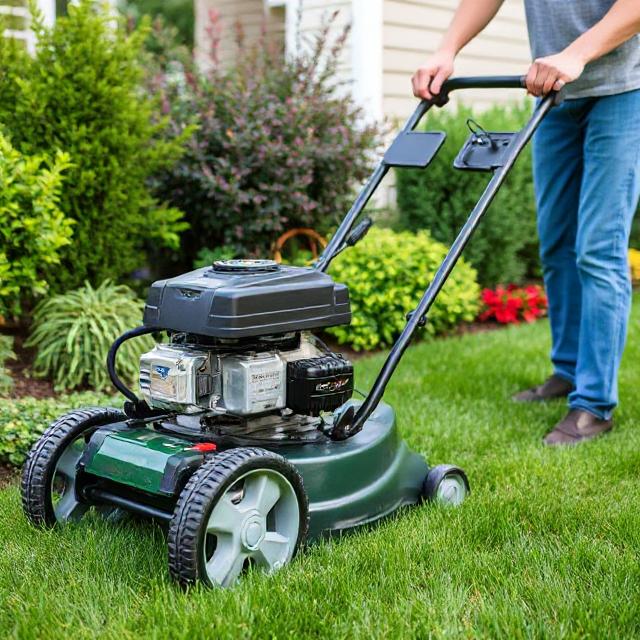
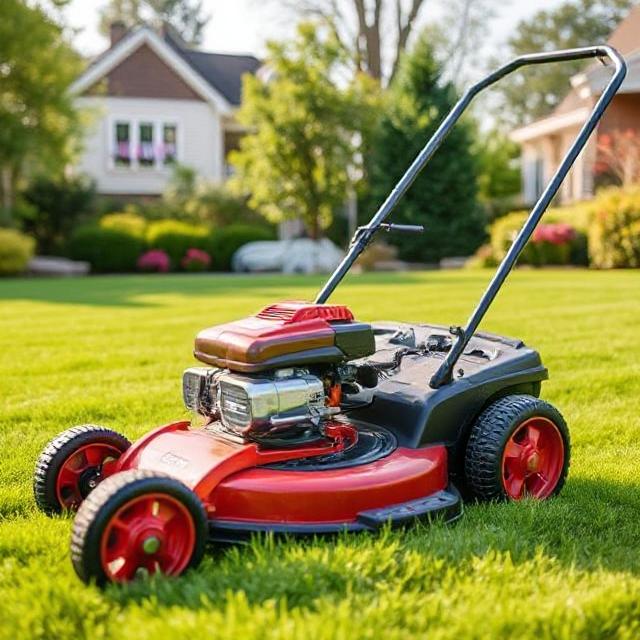
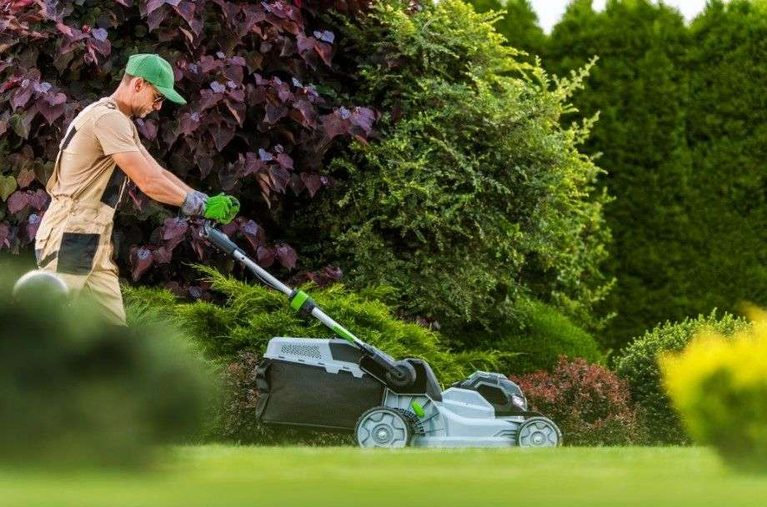
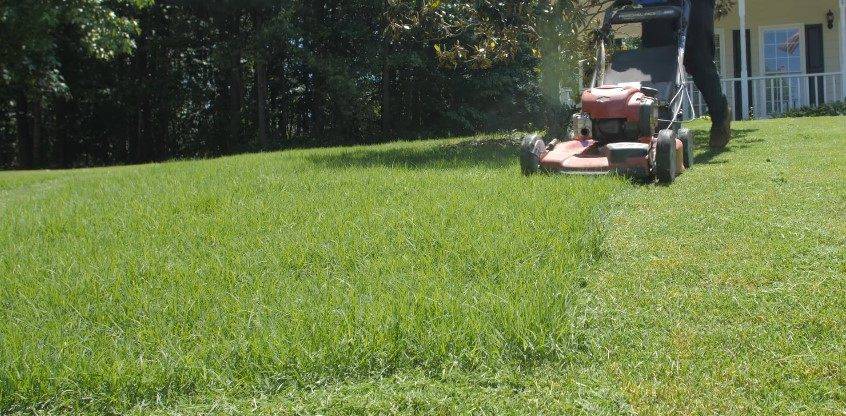
Always mow with sharp blades to avoid damaging the grass. Dull blades can tear the grass and create openings for disease to enter.
The One-Third Rule: Why It Matters
Never mow more than one-third of the grass blade in a single mowing session. This helps the grass stay healthy and encourages thicker growth.
Optimal Mowing Height for Bermuda in Katy
Set your mower to about 1.5 inches during the growing season. This helps Bermuda grass stay strong and lush while maintaining its heat tolerance.
Dealing with Clippings: To Bag or Not to Bag?
You can leave the grass clippings on your Bermuda lawn, as they decompose and provide valuable nutrients back to the soil.
Watering Wisely: Ensuring Adequate Hydration
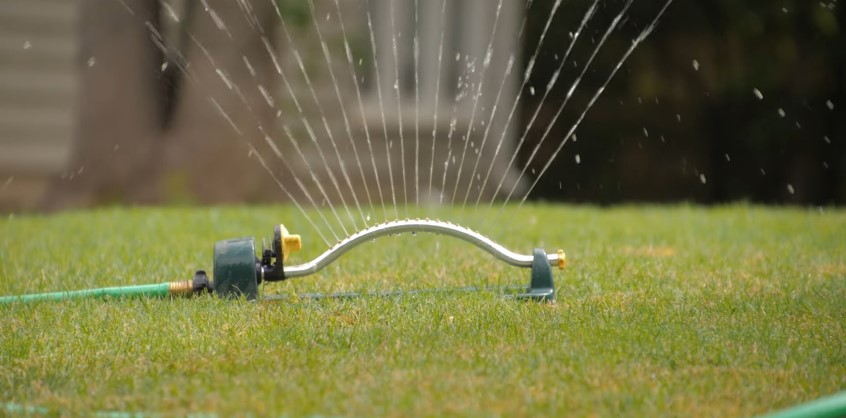
Understanding Your Soil’s Water Retention
Knowing your soil’s water retention properties is crucial for proper watering. Sandy soils drain quickly, while clay soils hold water longer.
Deep vs. Shallow Watering: What’s Best for Bermuda Roots
Water deeply but infrequently to encourage deep root growth. This makes your Bermuda grass more drought-resistant.
Recognizing Signs of Under– and Overwatering
Underwatered Bermuda grass will show signs of stress, such as wilting and brown patches. Overwatering can lead to root rot, which weakens the grass.
Best Time of Day to Water in Katy’s Climate
Water should be used early in the morning to reduce evaporation and allow the grass to dry before evening, reducing disease risk.
Fertilization Fundamentals: Feeding Your Lawn for Success
The Importance of Soil Testing in Katy
Soil testing helps determine the nutrient levels in your soil. You can choose the right fertilizer for Bermuda grass by understanding your soil’s needs.
Understanding N-P-K Ratios for Bermuda Grass
A balanced fertilizer with a ratio of 3-1-2 or 4-1-2 (nitrogen, phosphorus, potassium) is ideal for Bermuda grass.
Choosing the Right Fertilizer Type and Timing
Use a slow-release fertilizer to provide steady nourishment. Apply it in spring and again in summer to encourage healthy growth.
Avoiding Fertilizer Burn: Tips for Safe Application
Don’t overapply fertilizer, as this can cause fertilizer burn. Always follow the manufacturer’s instructions for application.
Weed Control Strategies: Keeping Unwanted Guests Away
Identifying Common Katy Lawn Weeds
Common weeds in Katy include dandelions, crabgrass, and clover. Identifying these early helps keep your Bermuda grass healthy.
Pre-Emergent vs. Post-Emergent Herbicides: When to Use What
Pre-emergent herbicides prevent weed seeds from sprouting, while post-emergent herbicides target existing weeds. Use both at the right times for maximum effectiveness.
Natural and Organic Weed Control Options
If you prefer organic options, consider using vinegar or corn gluten meal for weed control. These are less harmful to the environment and your lawn.
Maintaining a Healthy Lawn as the Best Weed Defense
A thick, healthy Bermuda lawn is the best defense against weeds. Regular mowing, watering, and fertilization will naturally crowd out weeds.
Pest and Disease Management: Protecting Your Turf
Common Bermuda Grass Pests in the Katy Area
Grub worms and chinch bugs are common pests in Katy. They can damage your lawn by feeding on the roots or leaves.
Recognizing Signs of Pest Infestation
Pest infestations often appear as brown patches, wilting, or uneven growth. Keep an eye on your lawn for these signs.
Safe and Effective Pest Control Methods
Use targeted pesticides or natural remedies like neem oil to control pests. Always follow the product instructions carefully.
Common Bermuda Grass Diseases in Katy’s Humid Climate
Brown patch and dollar spot are common diseases in Katy’s humid climate. Use fungicides to treat these diseases if necessary.
Identifying and Treating Lawn Diseases
These may be signs of disease if you notice patches of discolored grass or spots on the leaves. Treat them quickly with the appropriate fungicide to prevent further spread.
Troubleshooting Common Bermuda Grass Problems in Katy
Thin or Bare Spots: Causes and Solutions
Thin or bare spots can result from overwatering, poor soil, or pest damage. Aerate and reseed these areas for thick regrowth.
Yellowing or Discolored Grass: Diagnosing the Issue
Yellowing can indicate nutrient deficiencies, overwatering, or pest problems. Check your soil and adjust your care routine accordingly.
Excessive Thatch Buildup: Prevention and Removal
Thatch buildup can block nutrients from reaching the roots. Dethatch your lawn annually to keep it healthy.
Scalping After Mowing: How to Avoid It
Scalping occurs when grass is cut too short. Avoid this by setting your mower to the correct height.
Poor Drainage Issues in Katy Lawns
If water isn’t draining properly, it can lead to root rot. Consider aerating your lawn or adding sand to improve drainage.
Local Resources for Bermuda Grass Care in Katy, TX
If you need professional help, plenty of local resources are available to assist you with your Bermuda grass lawn care.
Finding Reputable Lawn Care Services in Katy
Many lawn care services in Katy specialize in Bermuda grass maintenance. Look for companies with good reviews and a solid track record.
Where to Buy Bermuda Grass Seed and Sod Locally
You can purchase Bermuda grass sod or seed from local garden centers or home improvement stores in Katy.
Connecting with Local Gardening and Horticulture Experts
Katy is home to many gardening experts who can provide valuable advice on Bermuda grass care. Check out local horticultural societies or community events for recommendations.
FAQs About Bermuda Grass Maintenance in Katy
How often should I mow my Bermuda grass in Katy?
Mow once a week during the growing season.
What’s the best fertilizer for Bermuda grass in Katy?
Use a high-nitrogen fertilizer in early spring and a balanced fertilizer during summer.
How much water does Bermuda grass need in Katy’s summer?
Water deeply once a week during the hot summer months.
When is the best time to aerate Bermuda grass in Katy?
Aerate in early spring or early fall.
How can I make my Bermuda grass thicker and greener in Katy?
Fertilize regularly, water deeply, and mow at the right height.
What should I do if my Bermuda grass turns brown?
Check for pests, diseases, or watering issues and treat accordingly.
Can I overseed my Bermuda grass lawn in Katy?
Yes, you can overseed it with ryegrass in the fall to keep your lawn green during winter.
How do I prevent weeds in my Bermuda grass lawn?
Use pre-emergent herbicides and maintain a thick, healthy lawn.
Achieving Your Dream Bermuda Lawn in Katy
Maintaining a Bermuda grass lawn in Katy, TX, can be a rewarding experience if you follow the right seasonal care plan. You can enjoy a beautiful, green lawn year-round by understanding your lawn’s needs, using the proper tools, and staying consistent with maintenance.