Essential Lawn Mowing Tips for a Perfect Lawn in Katy, TX
Whether you’re new to lawn care or a seasoned gardener, knowing the best mowing practices can make a huge difference in how your grass grows. From setting the right mower height to following the one-third rule, there’s a lot you can do to improve your lawn’s health. This guide will cover expert lawn mowing tips to help you avoid common mistakes, keep your grass lush, and save water. Ready to take your lawn to the next level? Keep reading to discover simple, effective techniques for a thriving yard!
Key Takeaways: Expert Lawn Mowing Tips for Katy, TX:
- Mow your grass at the correct height based on its type (e.g., Bermuda at 1-1.5 inches, St. Augustine at 2.5-4 inches) and follow the “one-third rule” to avoid scalping.
- Mow early or late afternoon, and keep mower blades sharp for clean cuts and healthier grass.
- Alternate mowing patterns to prevent soil compaction and maintain a polished look.
- Adjust mowing practices seasonally: raise mower height in summer for moisture retention and lower it in fall for dormancy.
- Regularly maintain your mower and avoid mowing wet grass for optimal lawn health.
What Are the Best Lawn Mowing Tips for a Healthy Lawn?
Lawn mowing tips include mowing at the correct height for your grass type, following the one-third rule, and using sharp blades. Mow early or late afternoon and alternate mowing patterns to prevent soil compaction. Regular mower maintenance keeps your lawn healthy.
The importance of proper lawn mowing for homeowners in Katy
Proper lawn care in Katy is essential because the local climate and soil conditions can be tough on your grass. Katy’s hot, humid summers demand that homeowners pay attention to their mowing practices to promote healthy, sustainable growth. Research shows that 31% of homeowners lack basic knowledge about maintaining a healthy lawn, which makes understanding mowing techniques even more critical. According to a National Association of Landscape Professionals report, homeowners who practice proper mowing techniques see more robust grass growth, fewer weeds, and an overall healthier lawn.
This guide will walk you through expert mowing tips, supported by research and case studies, to help you effectively care for your Katy lawn.
Understanding Your Katy Lawn: Grass Types and Mowing Needs
Before you grab your mower, it’s important to understand the grass types that thrive in Katy, TX. The type of grass in your yard directly influences how you should mow it. By understanding the specific needs of your grass type, you can mow your lawn more effectively, promoting healthier growth and a more beautiful lawn.
Common Grass Types in Katy, TX:
Bermuda Grass
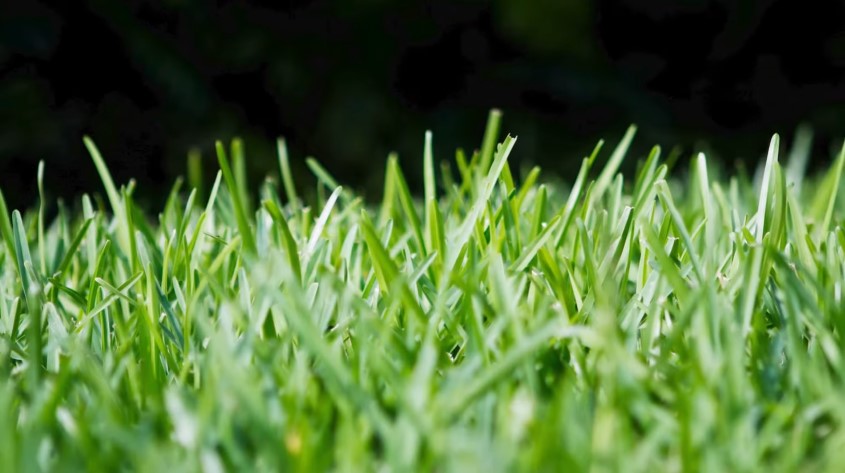
Bermuda grass is the most common grass variety in Katy due to its heat tolerance and ability to handle full sunlight. It’s perfect for the hot and dry summer months in Katy. Bermuda grass requires frequent mowing, ideally at 1 to 1.5 inches during peak growing seasons. It’s a low-maintenance grass that can withstand drought, making it an ideal choice for Katy’s hot climate.
St. Augustine Grass
St. Augustine grass is another common type in Katy, especially in shaded areas. It requires slightly higher mowing heights of 2.5 to 4 inches. This grass thrives in well-irrigated regions and is known for its lush green appearance. However, watering requires more care and attention than Bermuda grass.
Zoysia Grass
Zoysia is a dense, fine-textured grass highly resistant to weeds and pests. It grows well in Katy’s climate but needs mowing at a height of 1 to 2 inches. Zoysia grass is perfect for homeowners who want a well-manicured lawn but don’t have the time for frequent mowing.
Other Grass Types:
Some homeowners in Katy may have grass types like Buffalo Grass or Centipede Grass, which are less common. These varieties have unique mowing needs and should be treated with special care.
Why Proper Mowing Matters for a Healthy Katy Lawn:
Proper mowing has multiple benefits beyond keeping your lawn looking neat. Studies show that mowing your lawn correctly can help:
- Encourage healthy growth: Frequent mowing encourages grass to grow thicker, preventing the development of weeds.
- Proper mowing plays a crucial role in preventing the buildup of thatch, a dense layer of dead grass that can harbor diseases. By mowing your lawn correctly, you can significantly reduce the risk of lawn diseases, ensuring your lawn stays healthy and disease-free.
- Save water: Healthy grass requires less water, as it grows deeper roots and has better access to moisture.
According to The Lawn Institute, properly maintained lawns can retain water up to 30% better than poorly mowed lawns. This is crucial in regions like Katy, where summers can be extremely dry.
Expert Mowing Techniques for a Healthy Lawn
Set the Right Mower Blade Height
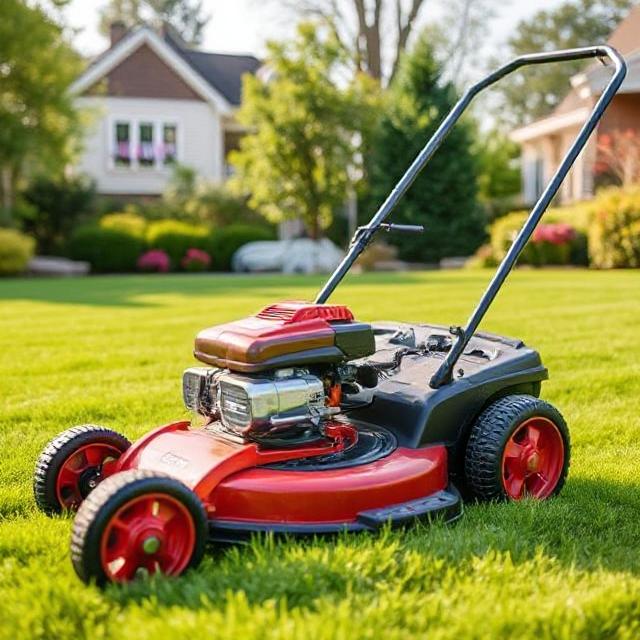
The University of California’s Agriculture and Natural Resources Department suggests mowing at the right height to avoid stress on the grass. Setting your mower to the right height is crucial. Mowing too short can damage your lawn, while mowing too tall can make your lawn look shaggy. Experts suggest mowing your lawn at the proper height for your grass type:
- Bermuda grass: 1 to 1.5 inches
- St. Augustine grass: 2.5 to 4 inches
- Zoysia grass: 1 to 2 inches
The “One-Third Rule”
The “one-third rule” is a simple yet powerful guideline that can significantly improve your lawn’s health. It states that you should never cut more than one-third of the grass blade at once. For instance, if your grass is 3 inches tall, you should only cut 1 inch off. This rule helps prevent stress on the grass, allowing it to maintain its health. Cutting too much at once can lead to scalping, which leaves your lawn vulnerable to disease and weed growth. By following this rule, you can ensure your grass stays lush and healthy.
Expert Opinion:
According to a study from Purdue University, cutting grass too short can lead to weaker grass roots and poor moisture retention. This is particularly important in hot climates like Katy, where drought is a common concern.
Keep Mower Blades Sharp
A dull mower blade can do more harm than good. Dull blades tear the grass, leaving ragged edges that can create an entry point for pests and diseases. On the other hand, sharp blades make clean cuts, encouraging faster healing and healthier growth. By keeping your mower blades sharp, you’re actively promoting the health and beauty of your lawn.
How Often to Sharpen Mower Blades:
Experts recommend sharpening your mower blades at least twice per mowing season—once in the spring and once in mid-summer. If your mower blades hit hard surfaces like stones or tree roots, you may need to sharpen them more frequently.
Mow at the Right Time
Timing is everything when it comes to mowing your lawn. Mowing at the wrong time can lead to damage.
Best Time of Day to Mow
Experts recommend mowing in the early morning or late afternoon. Mowing during the day’s heat can stress the grass, causing it to lose moisture and reducing its ability to recover. Mowing during the evening also risks cutting wet grass, leading to clumping and uneven mowing.
Expert Insight:
The University of California’s Agriculture and Natural Resources department suggests mowing your lawn when the grass is dry, as wet grass tends to clump, making it harder to mow evenly.
Alternate Mowing Patterns
Mowing in alternating directions helps reduce soil compaction, preventing water and nutrients from reaching the roots. It also prevents the grass from leaning in one direction.
Tips for Professional-Looking Lawns:
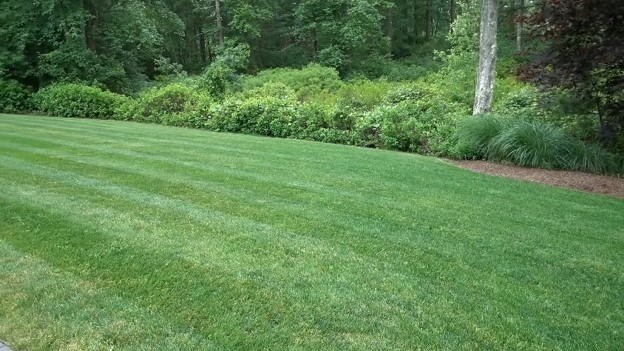
Mowing in alternating patterns creates a striped effect, giving your lawn that classic “golf course” look. This is achieved by mowing in one direction one week and changing the direction the next.
Seasonal Mowing Tips for Katy, TX
Spring Mowing

Spring is when your grass starts to grow after the winter dormancy period. The key to spring mowing in Katy is to prepare your lawn for a season of growth:
- Raise your mower blade height to allow your grass to grow strong.
- Aerate your lawn to help water and nutrients penetrate the soil.
- Fertilize with a slow-release fertilizer to encourage healthy growth.
Expert Opinion:
The University of Illinois Extension recommends aerating your lawn in spring to relieve soil compaction and improve water absorption, critical in clay-heavy soils often found in Katy.
Summer Mowing
During the hot summer months in Katy, your grass needs extra care:
- Raise the mowing height to allow the grass to grow taller, which will shade the soil and retain moisture.
- Water deeply but infrequently, as this encourages the roots to grow deeper.
Case Study:
A National Turfgrass Evaluation Program study found that lawns with higher grass height had lower water consumption and fared better during summer heat waves. This is particularly relevant for Katy’s hot, dry summers.
Fall Mowing
As the weather cools, it’s time to adjust your mowing practices:
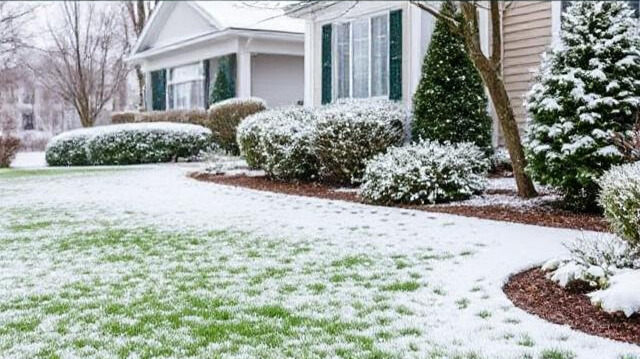
- Lower the mowing height gradually as the lawn goes dormant for the winter.
- Remove fallen leaves to prevent them from smothering your grass and causing mold or fungal growth.
Common Mowing Mistakes to Avoid in Katy, TX
Mowing Too Short:
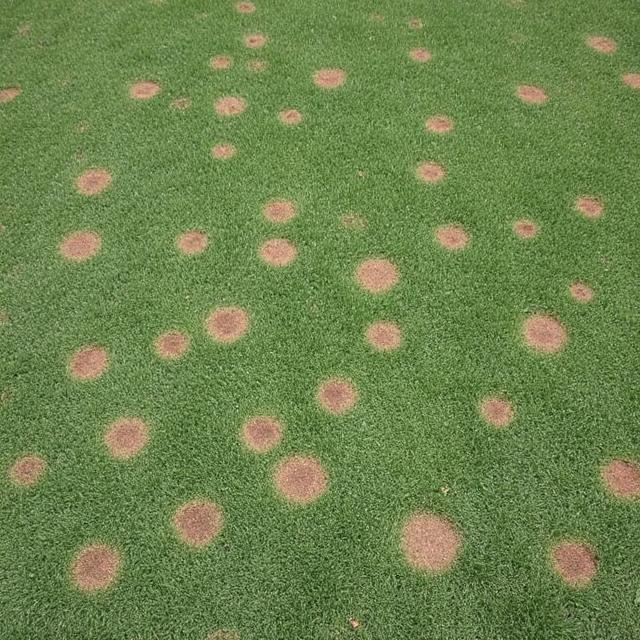
Cutting the grass too short, also known as “scalping,” can damage the lawn by exposing the soil to the sun, increasing water loss, and promoting weed growth.
Mowing Wet Grass:
Mowing wet grass leads to clumping, and it’s harder for the mower to make clean cuts. Damp grass also sticks to your mower, making cleanup a hassle.
Neglecting Mower Maintenance:
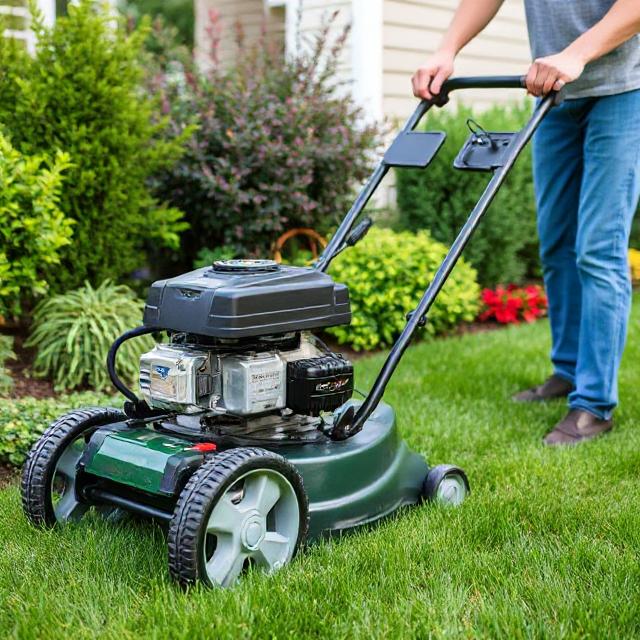
A mower that isn’t well-maintained will not cut effectively, resulting in uneven grass. It’s important to sharpen blades, change the oil, and clean the mower after each use.
Maintaining Your Mower for Longevity in Katy’s Climate
Regular Cleaning:
Clean your mower regularly, especially the underside, to remove grass clippings and debris. This helps prevent rust and ensures the mower continues to run smoothly.
Check Oil and Air Filter:
Regularly check the oil level and change the air filter to keep the engine running efficiently. In Katy’s humid climate, lawn mowers can accumulate moisture, leading to engine problems if not maintained.
Lawn Mower Maintenance Tips
| Practice | Recommendation |
| Mower Blade Height | Follow the “one-third rule |
| Mower Blade Sharpness | Sharpen blades at least twice per season |
| Mowing Time | Mow in the early morning or late afternoon |
| Mowing Pattern | Alternate mowing directions each time |
| Grass Clippings | Leave clippings on the lawn (grasscycling) |
| Mowing Frequency | Weekly during peak growth, adjusted seasonally |
| Mower Maintenance | Regular cleaning, oil changes, and blade sharpening |
A healthy lawn requires more than just regular mowing; it requires the right techniques, timing, and care. By following these expert tips and adjusting for Katy’s unique climate, you can ensure your lawn remains lush, healthy, and green throughout the year.
FAQ
Why is proper lawn mowing important?
Proper lawn mowing helps your grass grow thicker, which prevents weeds from taking over. It also keeps your lawn healthier by avoiding diseases; properly mowed grass retains water better. This is especially important in places like Katy, TX, where the summers can be extremely dry.
What is the best mowing height for my grass?
The mowing height depends on the type of grass you have. For Bermuda grass, mow at 1 to 1.5 inches. St. Augustine grass should be mowed at 2.5 to 4 inches, and Zoysia grass does best at 1 to 2 inches. Always check your grass type and follow these guidelines for a healthier lawn.
How often should I mow my lawn in Katy?
In Katy, Texas, mow your lawn weekly during the peak growing season in spring and summer. You can mow less often during fall and winter as grass growth slows down. Adjust your mowing schedule based on the weather and how fast your grass grows.
What is the “one-third rule” for mowing?
The “one-third rule” states that you should never cut more than one-third of the grass blade at a time. Cutting more than that can stress your grass and make it vulnerable to damage and disease. This rule helps keep your lawn healthy and thriving.
When is the best time to mow my lawn?
The best time to mow your lawn is in the early morning or late afternoon when the temperature is cooler. Mowing in the middle of the day, especially during summer, can stress your grass and cause it to lose moisture. Avoid mowing wet grass as it can clump, making it harder to mow evenly.
How can I make my lawn look neat and professional?
To get a professional-looking lawn, alternate mowing directions each time you mow. This helps prevent soil compaction, encourages grass growth, and gives your lawn that classic striped appearance. Changing directions regularly also keeps the grass from leaning in one direction.
How do I maintain my mower for best performance?
For your mower to work well, keep the blades sharp and clean. Sharpen your mower blades twice a season, ideally in the spring and mid-summer. Regularly clean your mower to remove grass clippings and debris, and check the oil and air filter to ensure it runs smoothly.
Can lawn mowing save water?
When your lawn is properly maintained and mowed at the correct height, it grows deeper roots that can access more moisture. This helps your lawn need less water. Proper lawn mowing practices, like mowing high in the summer, can improve water retention, especially in dry climates like Katy, TX.
How can I avoid mowing mistakes?
Avoid common mistakes like mowing too short, which can damage your grass, or mowing wet grass, which makes it harder to get an even cut. Regularly maintain your mower and keep it in good condition. Follow the mowing tips and techniques for a healthier, more attractive lawn.
How can I care for my lawn during different seasons in Katy?
In spring, raise your mower height, aerate the soil, and use slow-release fertilizers to prepare your grass for growth. In summer, mow taller to help the grass retain moisture and protect it from heat. Lower your mowing height gradually during fall and remove fallen leaves to avoid mold growth.