Essential Summer Lawn Care Tips for a Healthy Lawn in Katy, TX
Living in Katy, TX, has its perks, but maintaining a healthy lawn is challenging when the summer heat rolls in. However, with the proper knowledge and care, you can transform your yard into a lush, green space that will make your neighborhood envious.
In this guide, I’ll share everything you need to know about summer lawn care in Katy—from understanding the local climate to tips for keeping your grass green, thick, and healthy all summer. Whether you’re a first-time homeowner or just looking to refresh your lawn care routine, you’ll find practical, easy-to-follow advice here.
Key Takeaways:
- Water your lawn deeply once a week in Katy’s summer heat to promote healthy root growth.
- Mow your grass regularly, keeping it at a height of 2.5–3 inches to reduce heat stress.
- Apply slow-release fertiliser in early summer for consistent feeding and green growth.
- Use pre-emergent herbicides to prevent common summer weeds like crabgrass and dandelions.
- Regularly check for pests and diseases like chinch bugs and brown patch, and treat them early.
- Consider professional lawn care services if the summer heat overwhelms DIY maintenance.
How Can I Maintain My Lawn in Katy’s Summer Heat?
To maintain a healthy lawn in Katy, TX, water deeply to encourage strong roots during the summer. The best time to water is early in the morning or late in the evening to prevent evaporation. Mow your grass to a height of 2.5–3 inches to reduce heat stress, and apply slow-release fertiliser in early summer for consistent growth. Use pre-emergent herbicides to prevent weeds like crabgrass and dandelions. Regularly check for pests like chinch bugs and treat them early. Consider professional lawn care services for optimal results when the heat overwhelms you.
Understanding Katy’s Unique Summer Lawn Care Challenges
The Texas Heat Factor: How it Impacts Your Katy Lawn
Texas summers can be brutal. The combination of intense heat and humidity can cause your lawn to suffer if not properly maintained. Grass types like St. Augustine and Bermuda grass thrive in warmer climates but still need special care during the hot months.
When temperatures soar above 90°F, your lawn is in trouble. You might observe brown patches, weeds encroaching, or growth stalling without the proper care. But don’t fret—I’m here to show you how to keep your lawn looking lush and healthy.
Katy’s Soil Types: Adapting Your Care Routine
While Katy’s clay-rich soil poses some challenges, it is manageable with the right care routine. Its ability to retain moisture can be a boon, but can also become compacted, affecting root development and drainage. However, these issues can be addressed with the right approach, especially during the summer when your grass needs the perfect balance of water and nutrients.
The beauty of this situation is that you have the power to improve it. Aeration and the addition of organic matter can enhance soil structure, creating an environment where your grass can truly flourish.
Common Summer Lawn Problems in Katy (Brown Spots, Weeds, Pests, Diseases)
With the Texas heat, it’s not uncommon to see weeds, pests, and diseases causing trouble in your lawn. Crabgrass and dandelions are especially prevalent in summer. Additionally, pests like chinch bugs and grubs can damage your lawn, especially if it’s not well-maintained. Fungal diseases like brown patch can also spread rapidly during the hot, humid summer months.
Stay alert and act fast to prevent these issues from taking over your lawn. The following section will provide you with practical, easy-to-implement solutions for these common problems.
The Essential Pillars of Summer Lawn Care in Katy
Watering Wisely for a Green Lawn
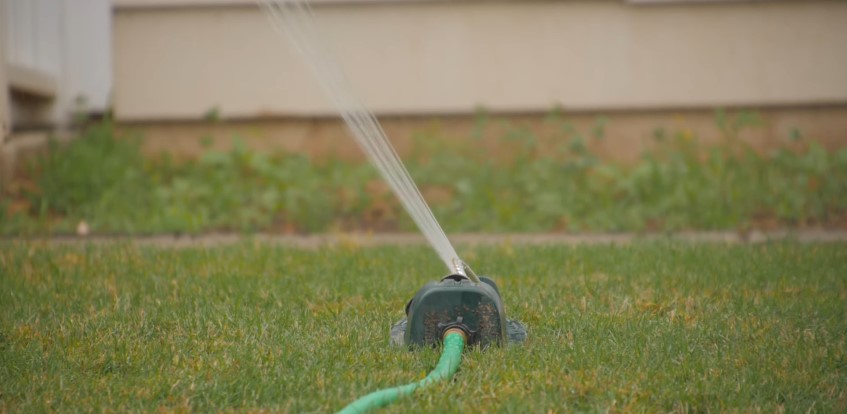
How Often to Water Your Lawn in Katy’s Summer Heat
During the summer, it’s essential to water your lawn correctly. You don’t want to overwater, as this can lead to diseases like root rot, but you also don’t want to underwater, as your grass will dry out.
In Katy, the recommended practice is to water your lawn once a week with deep, slow watering. This method promotes deep root growth, which is a key factor in your lawn’s ability to withstand the summer heat. By following this advice, you can be reassured that you’re doing the best for your lawn’s health.
Best Time of Day to Water for Maximum Absorption
Watering early in the morning—around dawn—is the best practice. This reduces evaporation, allowing your lawn to absorb the water efficiently before the day’s heat kicks in. Avoid watering during the evening, as this can increase the risk of fungal growth.
Deep Watering vs. Frequent Sprinkling: What’s Best for Texas Grass?
Deep watering is a superior technique compared to frequent light sprinkling. It fosters the growth of deep roots in your grass, enhancing its resilience to drought conditions. This knowledge will empower you in your lawn care efforts.
Recognizing Signs of Overwatering and Underwatering
Underwatered grass will show signs of dryness—yellowing, browning, or wilting. On the other hand, overwatered grass may appear green but feel soggy, and it can become more susceptible to diseases.
Mowing Best Practices in the Summer Heat
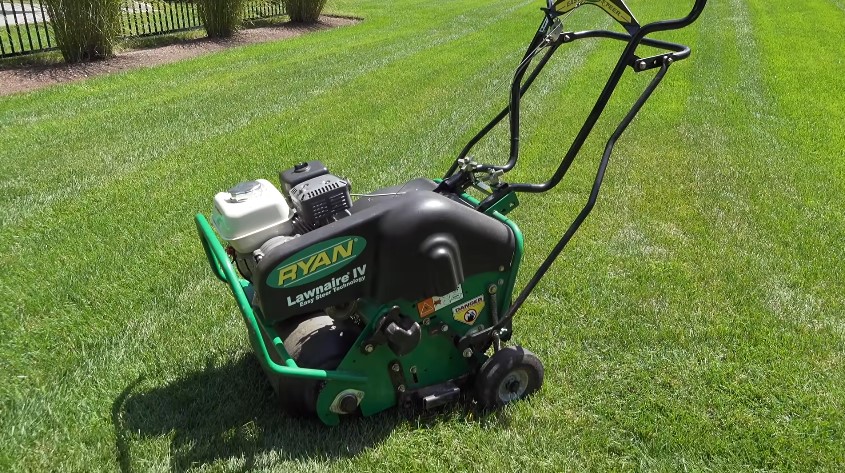
How Often Should You Cut Grass in Texas in the Summer?
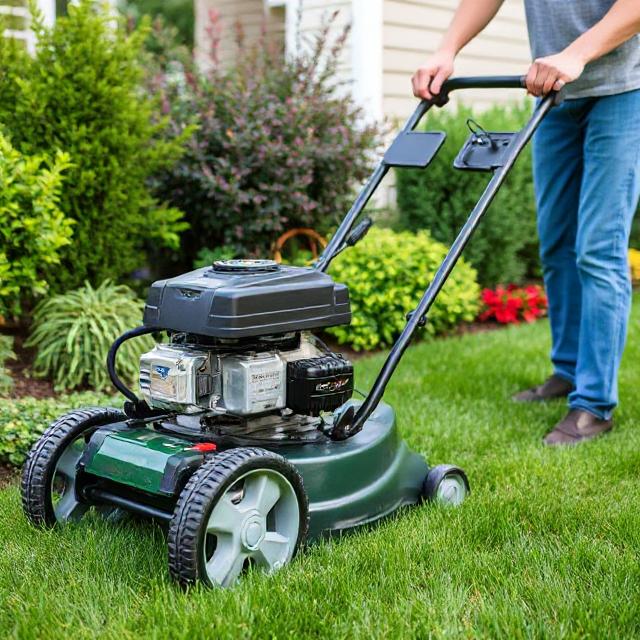
In Katy, mowing once a week during the summer is usually enough. Cutting your grass too short can stress it out, making it more vulnerable to heat damage and pests.
Setting the Right Mower Height for Summer Stress Tolerance
Most grasses in Katy, including St. Augustine, aim to keep your grass about 2.5–3 inches tall. This helps the grass stay cooler and more resilient under the summer heat.
The Benefits of Leaving Grass Clippings (Natural Mulch)
Leaving grass clippings on your lawn after mowing is a great way to mulch your lawn naturally. The clippings break down quickly, adding nutrients back into the soil, and they help keep moisture in, reducing the need for extra watering.
Keeping Your Mower Blades Sharp for a Clean Cut
Sharp mower blades make cleaner cuts, which help your grass recover more quickly from mowing. Dull knives can rip the grass, leaving it open to disease.
Summer Lawn Fertilisation: Feeding for a Lush Lawn
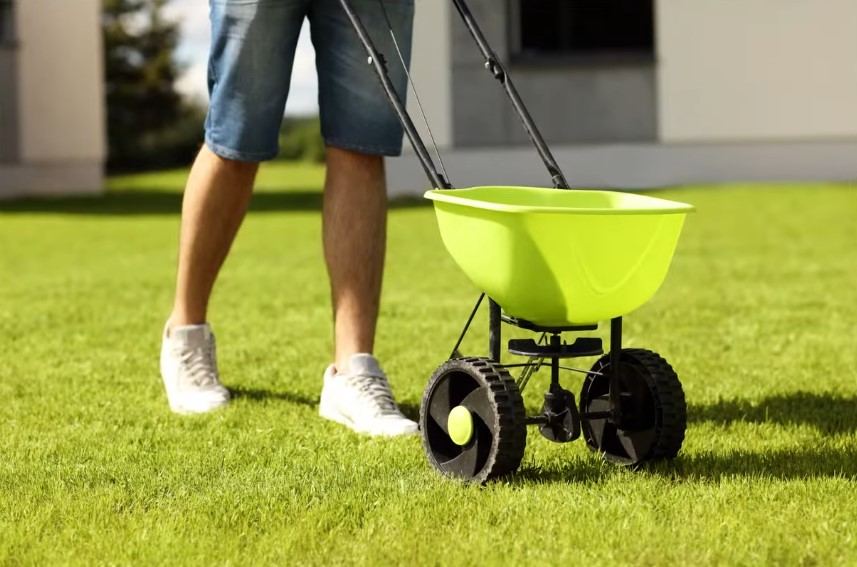
What Should I Put on My Lawn in the Summer?
Fertilising your lawn during summer is crucial to helping it grow thick and strong. Use a slow-release nitrogen fertilizer that will feed your grass evenly over time. St. Augustine and Bermuda grass benefit from a balanced fertiliser in the summer, helping them retain their green colour despite the heat.
Choosing the Right Summer Fertiliser for Texas Grass Types
If you have St. Augustine or Bermuda grass, look for a fertiliser specifically designed for these types. A good rule of thumb is to apply fertiliser in late spring or early summer and reapply as needed, following the manufacturer’s instructions.
When and How to Apply Fertiliser Effectively
The best time to fertilise is when the grass is actively growing. Most grasses in Katy will be in late spring or early summer. Apply fertiliser early in the morning to avoid burning in the midday sun. By understanding the best time to fertilise, you can take a proactive approach to lawn care and ensure that your grass gets the nutrients it needs to stay healthy during the summer.
Understanding Slow-Release vs. Quick-Release Options
Slow-release fertilisers provide nutrients to your grass over a longer period, which is great for keeping your lawn healthy throughout the summer. Quick-release fertilisers work faster but may need to be applied more often.
Effective Summer Weed Control Strategies
Identifying Common Summer Weeds in Katy
Common summer weeds in Katy include crabgrass, dandelions, and chickweed. These weeds can spread quickly in hot weather, but you can keep them at bay with the right lawn care practices.
Pre-Emergent vs. Post-Emergent Herbicides: Timing is Key
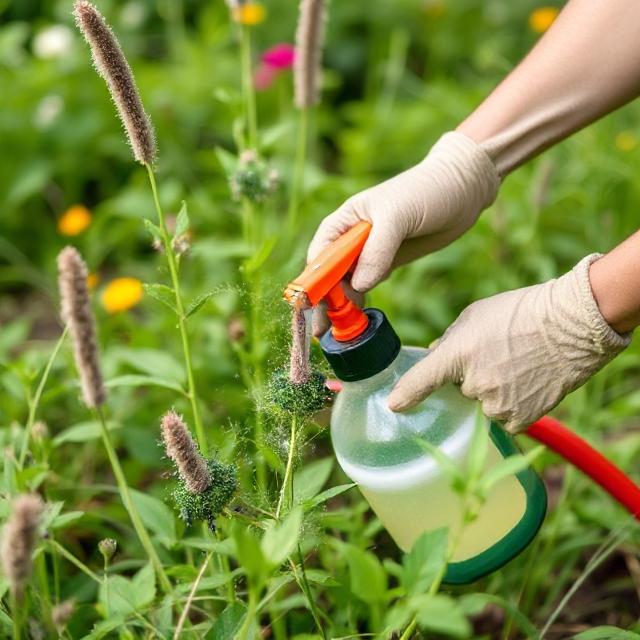
Pre-emergent herbicides are applied before weeds begin to sprout. They prevent seeds from germinating. Post-emergent herbicides are applied after the weeds have appeared and work by killing them.
Natural and Organic Weed Control Methods
If you prefer natural solutions, consider using organic herbicides or pulling weeds by hand. Organic herbicides are made from natural ingredients and are safe for the environment, while pulling weeds by hand is labor-intensive but effective. Mulching your lawn can also prevent weeds from sprouting by blocking sunlight.
Preventing Weed Growth Through Healthy Lawn Practices
A healthy lawn is your best defence against weeds. Proper watering, mowing, and fertilising will help your lawn grow dense and strong, making it harder for weeds to take root.
Tackling Summer Lawn Pests and Diseases
Common Summer Lawn Pests in the Katy Area (Grubs, Chinch Bugs, etc.)
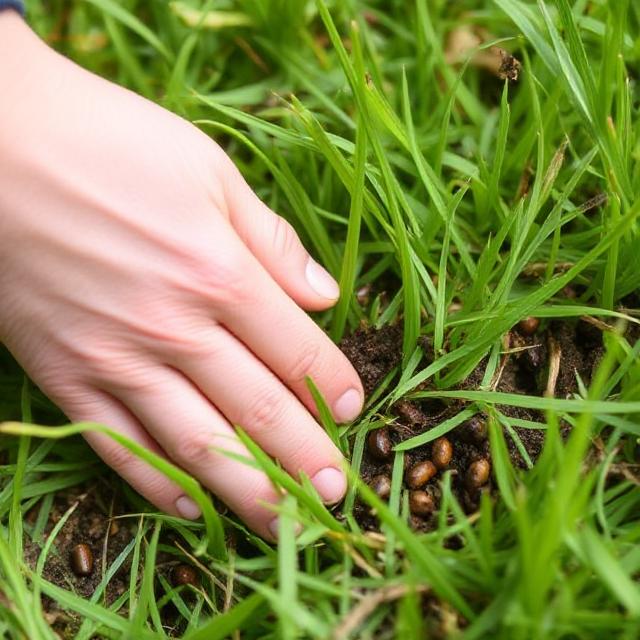
In Katy, pests like chinch bugs and grubs are common during the summer. These pests feed on your grass, weakening it and causing brown patches.
Recognising Signs of Pest Infestation
Look for brown patches in your lawn that don’t respond to watering or fertilizing. If you notice that the grass pulls up easily or feels spongy, pests may be to blame. Other signs of pest infestation include chewed grass blades, visible pests on the lawn, and changes in the lawn’s color or texture.
Safe and Effective Pest Control Solutions
You can apply eco-friendly insecticides or hire a professional lawn care service to control pests. Eco-friendly insecticides are formulated to target specific pests while minimizing harm to beneficial insects and the environment. Using neem oil or diatomaceous earth can also help treat pests naturally.
Identifying and Preventing Lawn Diseases
Lawn diseases like brown patches and fungi thrive in the heat and humidity. Prevent these diseases by maintaining a proper mowing schedule and ensuring your lawn isn’t overwatered.
Your Summer Lawn Care Checklist for Katy, TX
Here’s a quick checklist for summer lawn care in Katy:
- Water your lawn once a week with deep watering.
- Mow your lawn weekly, keeping it at 2.5–3 inches tall.
- Fertilise your lawn with slow-release fertiliser in early summer.
- Use pre-emergent herbicides to prevent weed growth.
- Treat pests and diseases early to avoid damage.
- Aerate your lawn to improve water absorption.
When to Call the Katy Lawn Care Experts
Sometimes, maintaining a lawn in Katy’s summer heat can be overwhelming. That’s when it’s time to call in the experts. A professional lawn care service can handle everything from aeration to pest control, ensuring your lawn stays in top shape all summer.
FAQ Section
What type of grass is best for Katy’s summer heat?
St. Augustine and Bermuda grass are the most heat-tolerant options for Katy lawns.
How often should I water my lawn in Katy during summer?
Water your lawn deeply once a week to encourage strong root growth.
What is the best time to fertilize my lawn in Katy?
Apply fertiliser in late spring or early summer when the grass is actively growing.
How can I prevent weeds in my Katy lawn?
Use pre-emergent herbicides in early spring and practice proper mowing and watering.
What pests should I look out for in Katy lawns during the summer?
Watch for chinch bugs, grubs, and other common pests that can damage your lawn.
How can I keep my St. Augustine grass healthy in the summer?
Keep it at the right mowing height, water deeply, and fertilize regularly.
Is it better to hire a lawn care professional in Katy?
If you’re overwhelmed by the heat or don’t have time, a professional lawn care service can help maintain a healthy lawn.