Dealing with Grubs in Your Katy Lawn
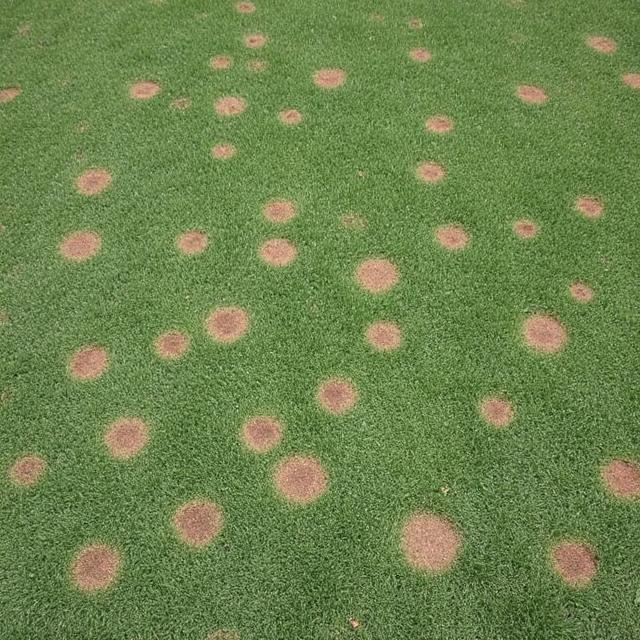
Is your Katy lawn starting to show signs of damage? Are you noticing dead spots or brown patches that worsen despite your best efforts to maintain a healthy turf? You might be dealing with a white grub infestation. These grubs, including Japanese beetle grubs, feed on the roots of your turfgrass, causing severe damage to your lawn. Look out for signs such as wilting grass, spongy turf, and increased bird activity, as these are common indicators of a white grub infestation.
In this comprehensive guide, we’ll walk through the best practices for grub control in Katy, TX, including recognizing grub damage. We’ll also introduce you to the most effective treatment methods that have shown promising results in restoring lawns affected by grub infestations. With the right knowledge and tools, your lawn can return to its healthy state.
What is Grub Control and How Can It Protect My Lawn?
Grub control involves using methods to prevent or eliminate grubs, which are the larvae of beetles like the Japanese beetle. These pests damage your lawn by feeding on turf roots, causing brown patches and dead spots. To protect your lawn, apply preventative grub control products in mid-summer or use biological control methods like beneficial nematodes.
What Are Grubs, and How Do They Affect Your Lawn?
Grubs, the larvae of beetles such as Japanese beetles, European chafers, and masked chafers, are a hidden threat to your lawn. They live beneath the soil surface, feeding on organic matter and the plant roots of turfgrass. This feeding weakens the turf, leading to turf damage in the form of dead spots and brown patches that are not only visible but also notoriously difficult and time-consuming to fix. This underscores the importance of prevention and early action in managing grubs.
As mature grubs mature into adults, they emerge in midsummer to reproduce and lay more eggs, perpetuating the grub life cycle. Your lawn may suffer from increased pest populations and long-term damage without proper grub management practices. However, by implementing these practices, you can prevent this potential long-term damage, taking responsibility for and empowering yourself to protect your lawn’s health.
Identifying Grub Damage in Your Lawn
You can easily spot grub damage by looking for dead spots or patches in your lawn. Pulling up the turf, you may notice the grass coming up easily, revealing instar grubs just beneath the surface. This is a sign that grub populations are active and feeding.
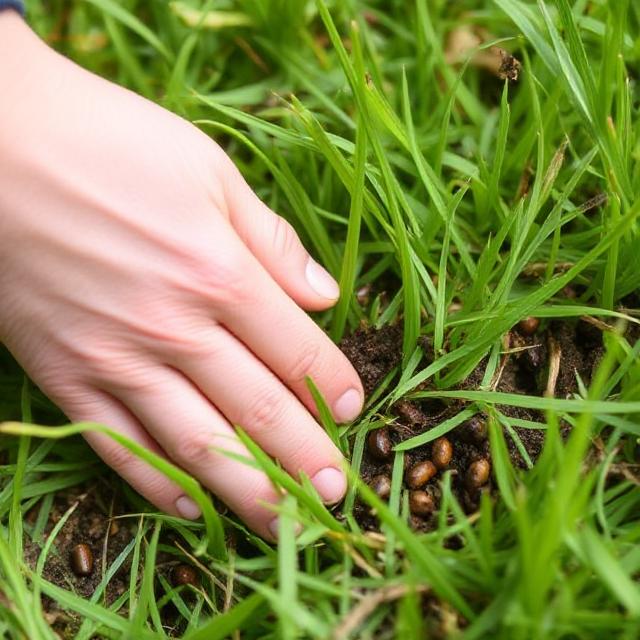
Here’s what to look for:
- Brown patches that don’t improve with watering.
- Spongy turf that’s easy to lift.
- Animals like raccoons or skunks dig in the soil to find grubs.
To confirm, you can dig a small area of your lawn and look for C-shaped white grubs. Finding 5-7 grubs per square foot could be enough to cause noticeable damage.
How to Control Grubs in Katy, TX

Preventative Grub Control
To avoid grub infestations, it’s best to apply preventative grub control in early spring or mid-summer, before the eggs hatch. This will stop the grubs from getting a foothold in your turf. Effective grub control products include:
- Bayer Advanced Season-Long Grub Control: This product, known for its safety, provides consistent control levels and effectively prevents white grub species.
- Scotts GrubEx: Known for its preventative grub control, Scotts is another popular option for grub control products.
Apply these insecticides for grub prevention according to the label directions for the best results.
Curative Grub Control
Curative treatments are necessary if you’ve already noticed grub damage on your lawn. Apply curative insecticides like 24-Hour Grub Killer Granules or Beetlemania White Grub Control to kill active grubs. With their fast-acting nature, these products provide quick relief from the damage.
For a more organic approach, beneficial nematodes like Heterorhabditis bacteriophora are effective. These microscopic worms target grubs, killing them naturally without harming your turf.
When to Apply Grub Control Products
The best time to apply grub control products in Katy is mid-summer, just before eggs hatch or when active grubs feed. Follow the application directions on the product label carefully to ensure proper use and effectiveness.
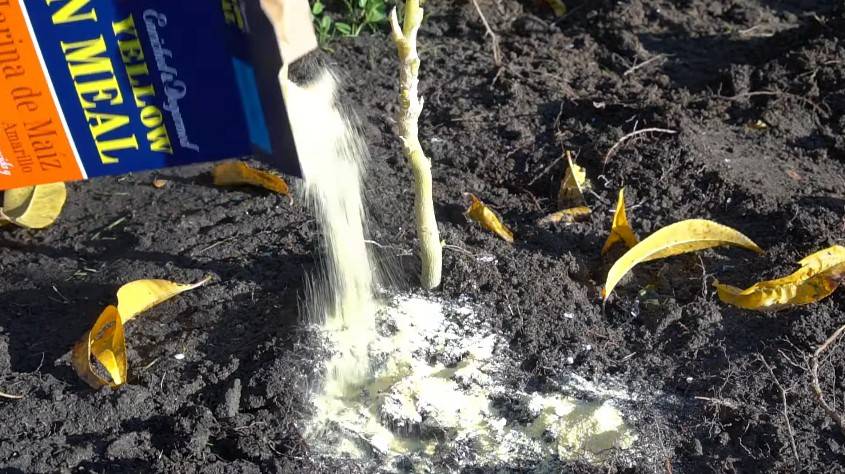
For preventative grub control, treatments should be applied when beetles are laying their eggs, usually in early spring. If treating active grubs, apply the product 1-3 weeks after you notice visible damage to your lawn.
How to Repair Grub Damage
Once you’ve applied your grub treatment, you may need to repair any turf damage caused by the grubs. Here’s how to get your lawn back to its healthy, green state:
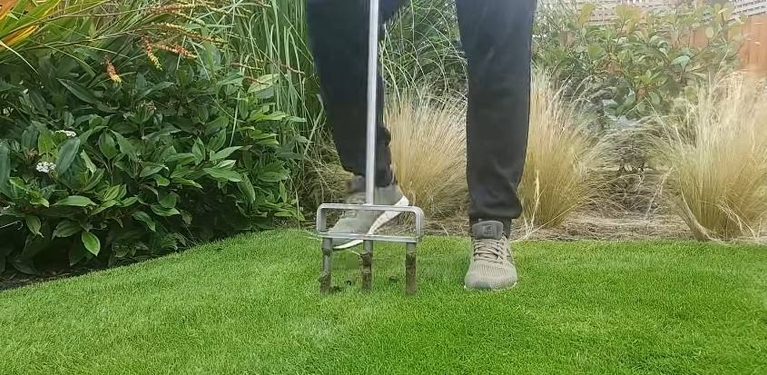
- Aerate the soil to allow water and nutrients to reach the roots.
- Reseed the damaged areas with grass seed suited to your lawn type, such as Bermuda or St. Augustine.
- Fertilize the lawn to encourage root growth and recovery.
The Role of Biological Control Agents
For those who prefer an environmentally friendly approach, biological insecticides are an excellent choice for grub control. Milky Spore Disease and Bacillus thuringiensis are natural options that help control grub populations without harming your garden or lawn. These biological treatments work over time and provide long-lasting control, making them a solid investment for long-term white grub control.
The Importance of Proper Lawn Management Practices
Maintaining healthy turfgrass is key to preventing future grub infestations. Healthy lawns are more resistant to pest damage and can recover more easily from grub feeding. Here’s how you can improve your lawn care:
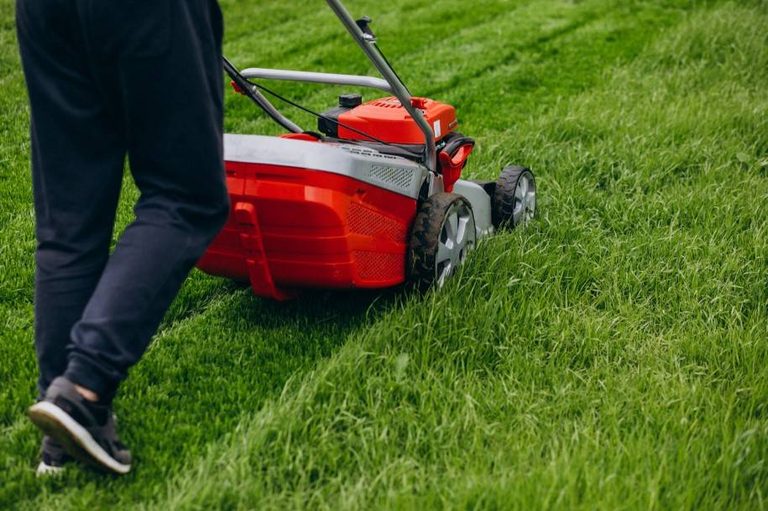
- Mow at the right height: Mowing your lawn to the correct level for your grass type helps it stay strong and resistant to pests.
- Water deeply but infrequently: Shallow watering can encourage grub populations, so water your lawn deeply and less often.
- Aerate regularly: Lawn aeration helps improve soil health and provides the proper conditions for root growth.
Following these management practices can help prevent grub infestations and maintain a lush, healthy lawn in Katy, TX.
Frequently Asked Questions (FAQ)
How do I know if I have grubs in my lawn?
Check for brown patches and spongy turf. Pull up a section of grass to see if C-shaped white grubs are present beneath the soil.
When is the best time to apply grub control in Katy, TX?
The best time is in mid-summer or early spring, just before the eggs hatch or when active grubs feed.
Do nematodes work on grubs?
Yes, beneficial nematodes like Heterorhabditis bacteriophora effectively target and kill grubs naturally.
What causes grubs to appear in my lawn?
Adult beetles lay eggs in the soil, which hatch into grubs. Grubs are attracted to moist soil and organic matter.
How do I repair lawn damage caused by grubs?
Aerate the lawn, reseed the damaged areas, and fertilize to encourage recovery.
Can I apply grub control products twice?
Yes, you can apply grub control products twice if necessary, especially for severe infestations.
What is the life cycle of a grub?
The grub life cycle lasts about a year. Grubs go through various stages before maturing into adult beetles that lay eggs for the next generation.
How can I prevent grubs in my lawn?
Proper lawn care includes regular aeration, mowing, and preventative grub control treatments in early summer.
Grub control is crucial for maintaining a healthy lawn in Katy, TX. By understanding the grub life cycle, using the right treatments at the right time, and maintaining good lawn management practices, you can keep your lawn free from the damage caused by these pests. Whether you prefer chemical control, biological solutions, or a combination, there’s a treatment option for every need.
What methods have worked best for you in controlling grubs? Share your experiences in the comments below!