Lawn Aeration vs. Dethatching – What’s Best for Your Katy Lawn?
Maintaining a healthy lawn in Katy, TX, requires attention to our area’s unique soil structure and climate challenges. Whether you’re struggling with compacted soil, thick thatch, or poor root growth, knowing the right time and method for lawn care can make a huge difference. Two of the most effective ways to improve your lawn’s health are lawn aeration and dethatching. But what’s the best choice for your lawn? In this article, we’ll explain both methods and help you decide which one suits your lawn care needs.
Key Takeaways:
- Lawn aeration improves air, water, and nutrient flow to the grass roots by creating small holes in the soil.
- It is especially beneficial for compacted soils like those found in Katy, TX.
- Aeration promotes stronger roots, better water retention, and drought resistance.
- The best time for aeration is late spring or early fall.
- Aerate your lawn once a year to keep it green and healthy.
What is Lawn Aeration?
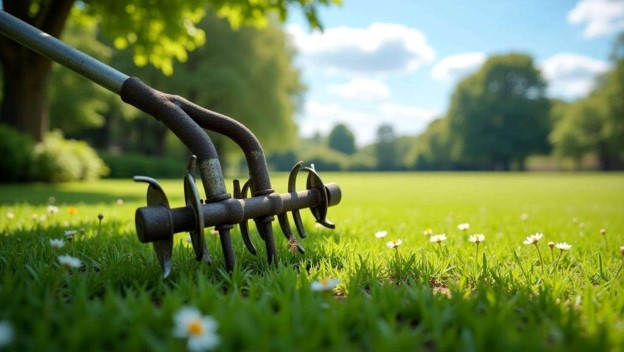
Lawn aeration involves perforating the soil to allow air, water, and nutrients to reach the grass roots more effectively. With its heavy clay soils in Katy, aeration is a great way to address soil compaction and promote stronger root systems. The process is done using an aeration tool, which removes small soil cores to create holes in your lawn.
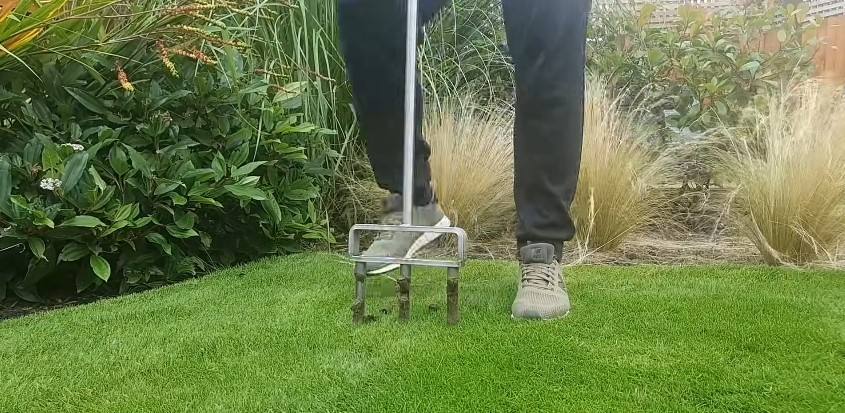
Aeration creates these spaces, helping reduce soil compaction, promote deeper root growth, and improve overall soil health. For lawns with warm-season grasses like Bermuda or St. Augustine, aeration encourages stronger grass blades and better drought resistance, which is important during Katy’s hot summer months.
What is Dethatching?
Dethatching removes the layer of organic debris (thatch) that forms on the soil surface, consisting of dead grass, roots, and leaves. While a small amount of thatch is natural, too much can block essential air, water, and nutrients from reaching your grass.
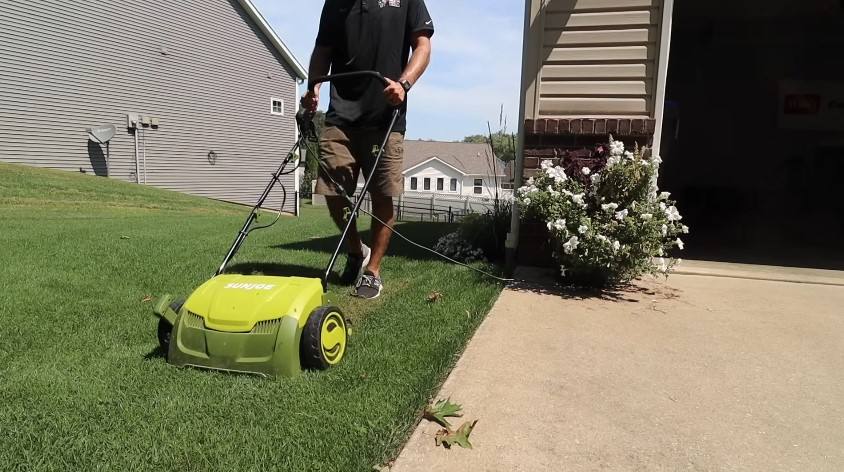
Thick thatch is particularly common in warm-season grasses during the active growing season. Dethatching can remove this layer and improve your lawn’s aesthetic appearance, reduce pest issues, and provide better soil structure for new growth.
Aeration vs. Dethatching: Key Differences
While aeration helps break up compacted soil and improve root growth, dethatching removes excess thatch to ensure better nutrient absorption. Let’s break down the differences:
| Feature | Lawn Aeration | Dethatching |
| What it fixes | Soil compaction, weak roots, poor drainage | Excessive thatch buildup, poor air circulation |
| Method | Removes soil plugs to create holes in the lawn | Removes dead grass and organic matter from the surface |
| Best for | Clay-heavy soils, warm-season grasses like St. Augustine | Lawns with a thick thatch layer |
| Frequency | Once a year, ideally in late spring or fall | Every 1-2 years, depending on the thatch thickness |
When Should You Aerate or Dethatch Your Lawn?
When to Aerate Your Lawn
The best time to aerate your lawn in Katy is typically in the late spring or early fall, when the weather is mild and your grass is actively growing. Aerating during these optimal growth periods allows your lawn to heal quickly, providing it with the stronger roots necessary to withstand the upcoming summer heat.
When to Dethatch Your Lawn
Dethatching should be done when the thatch layer is thicker than ½ inch. The best times to dethatch are in early spring or early fall, just before the peak growing season. This ensures that your grass can recover without the stress of extreme temperatures.
DIY Lawn Care: Aeration and Dethatching Tips
If you’re a hands-on homeowner, both aeration and dethatching can be done independently with the right equipment.
How to Aerate Your Lawn Manually
- Water the lawn a day before aerating to soften the soil.
- Use a manual aerator tool to create 2-4 inch holes across the lawn, focusing on compacted areas.
- Leave the soil plugs on the surface to break down and enrich the soil.
How to Dethatch Your Lawn
- Check the thatch thickness: Use a dethatching rake or power dethatcher if it’s more than ½ inch.
- Rake the thatch: Clear away the debris after dethatching to allow your lawn to breathe.
- Reseed and fertilize to promote healthy grass growth.
What to Do After Aeration and Dethatching
After completing either aeration or dethatching, it’s essential to give your lawn the proper care to recover:
- Water your lawn to help settle the soil and promote deeper root growth.
- Fertilize using a balanced fertilizer to provide essential nutrients for the grass.
- Overseed if needed to fill in any bare patches.
- Avoid heavy foot traffic for a few weeks to allow the lawn to heal.
Does Lawn Aeration Really Work?
Yes, lawn aeration is highly effective, especially in Katy’s compacted soils. Relieving soil compaction it allows roots to grow deeper, which means stronger grass and better drought resistance. Lawn aeration also improves water retention and ensures that your grass has access to the nutrients it needs to stay healthy.
Benefits of Lawn Aeration
Aeration is particularly beneficial for lawns suffering from compacted soil. After aeration, you’ll notice:
- Improved root development: Deeper roots lead to a healthier lawn.
- Increased nutrient uptake: Nutrients can more effectively reach the grass.
- Better drought tolerance: Grass can absorb water more efficiently, even in dry spells.
What is Dethatching and Why is it Important?
Dethatching is a key part of lawn care to maintain good air circulation and soil health. A thick thatch layer can suffocate your grass and create an environment for weeds and pests to thrive. Regular dethatching keeps your lawn healthy and looking its best.
FAQ Section
How often should I aerate my lawn in Katy, TX?
Aerate once a year, ideally in spring or fall, to keep the soil healthy and prevent compaction.
Can I dethatch and aerate at the same time?
Yes, aerate first, then dethatch to ensure that the grass can absorb nutrients better.
How do I know if my lawn needs aeration?
Signs include poor drainage, stagnant grass, and thinning patches.
What’s the best time to aerate my lawn?
The best time for aeration is when the grass is actively growing, typically in late spring or early fall.
How long does it take for my lawn to recover after aeration?
Your lawn should start to show signs of recovery within a few weeks.
Does aeration help with weed control?
Yes, healthier grass from aeration will naturally crowd out weeds.
What’s the cost of aeration in Katy, TX?
The average cost of aeration services in Katy typically ranges from $30 to $100, depending on the size of your lawn.
For Katy’s lawns, both aeration and dethatching are important practices to keep your lawn healthy and thriving. Whether you’re battling clay-heavy soil or thick thatch, these methods will help you achieve a beautiful, green lawn throughout the year. With the right tools and timing, you can make your lawn the envy of the neighborhood.
For professional help, contact Katylawnpro, the lawn care experts in Katy. We provide aeration services, dethatching, and other essential lawn care services to keep your grass looking its best.