
How Can I Care for My Lawn During the Rainy Season in Katy?
Katy, TX, is located in a humid subtropical climate zone, characterized by hot summers and a considerable amount of rainfall year-round. During the rainy season, heavy rainfall is common, which can be beneficial for your lawn, but it also presents some challenges. Excessive rainfall can result in waterlogged soil, which makes it difficult for your grass to breathe and grow properly. Additionally, too much rain can lead to compacted soil and increase the risk of erosion, making rainy season lawn care more challenging.
Key Takeaways
- Rainy season lawn care in Katy requires adjusting mowing, watering, and fertilization schedules to maintain a healthy lawn.
- Aerating soil during the rainy season helps prevent soil compaction and promotes better water drainage.
- Avoid mowing wet grass to prevent uneven cuts and stress; wait until it’s dry.
- Slow-release fertilizers are best for rainy conditions to avoid runoff and ensure a steady nutrient supply.
- Monitor drainage and water levels to prevent waterlogged soil, which can damage roots and promote fungal diseases.
- Professional lawn care services can provide expert guidance, ensuring your lawn remains healthy through excessive rain and moisture issues.
How Can I Care for My Lawn During the Rainy Season in Katy, TX?
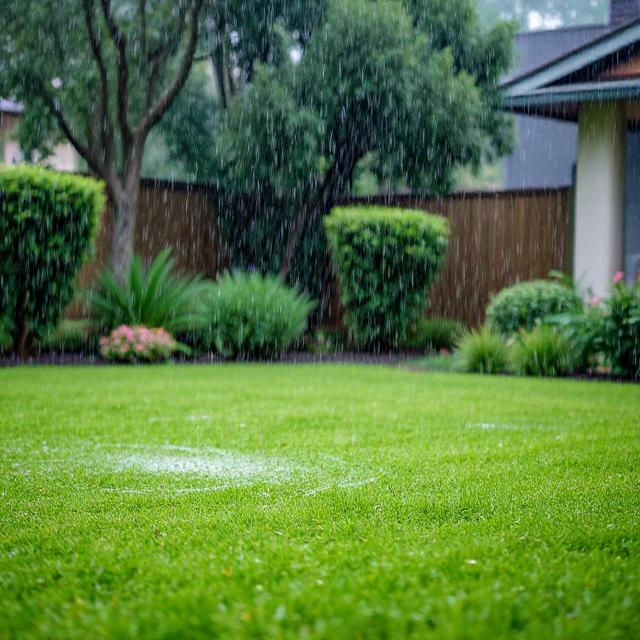
To care for your lawn during the rainy season in Katy, TX, aerate the soil, avoid mowing wet grass, use slow-release fertilizers, and monitor drainage. Water only when needed. If necessary, hire lawn care professionals to ensure your lawn stays healthy and green.
Why Lawn Care During the Rainy Season is Critical in Katy
The rainy season in Katy can affect your lawn in various ways. While grass generally loves water, too much of it can cause problems. Heavy rain can cause water pooling, damaging the grass roots, preventing them from absorbing nutrients and oxygen. Also, the rain can affect grass growth, making it harder for the grass to establish deep roots. It’s crucial to adjust your lawn care routine to keep the soil from getting too soggy and to avoid overwatering, even if it seems like the rain is taking care of things.
Preparing Your Lawn for the Rainy Season
Soil Aeration
One of the most effective ways to prepare for the rainy season is by aerating your lawn. Aeration helps break up compacted soil, allowing water to flow through better and improving root health. If you don’t aerate, the wet ground can become compacted soil, which will create drainage issues. Aerating a lawn is easy to do and can prevent a lot of potential problems. It also helps remove thatch, preventing water and nutrients from reaching the grass roots.
Mowing Adjustments
During the rainy season, your grass will grow faster, and mowing regularly is important. However, cutting grass when it’s wet can be challenging. Wet grass blades are harder to cut and may lead to uneven cutting. Mow only when the grass is dry to avoid damage. The best time to mow your lawn is when the grass has dried after a rain shower, typically mid-morning or late afternoon.
You may also wonder, “How dry should grass be to mow?” Grass should be dry to the touch, and ideally, you should wait until the rain has stopped for a few hours. Also, ensure that your lawnmower is protected from rain to avoid rust and other issues.
Fertilization Timing
The rainy season requires careful timing when it comes to fertilizer application. Will heavy rain wash away fertilizer? Yes, it can. To avoid this, use slow-release fertilizers that provide nutrients to your grass gradually. These fertilizers are less likely to be washed away by rain. Applying fertilizers just before a rain shower may seem like a good idea, but it can lead to nutrient runoff, so it’s best to fertilize a few days before or after heavy rainfall.
Managing Watering Practices During the Rainy Season
Utilizing Rainfall
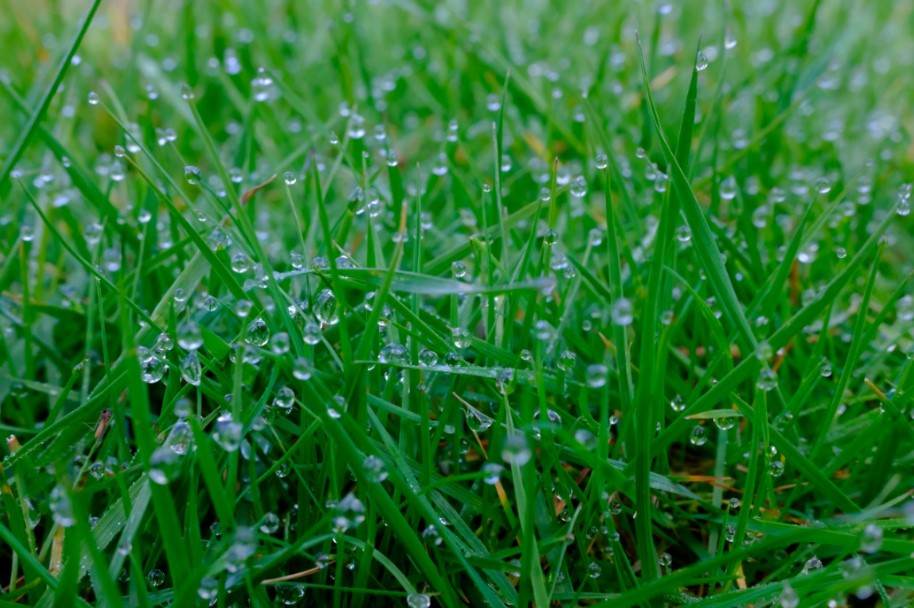
One of the most beneficial aspects of the rainy season is the natural irrigation it provides. Is rain a good fertilizer? Not necessarily, but it certainly helps in keeping the lawn hydrated. You can save on your water bill and reduce the need for irrigation by turning off sprinklers during rainy periods. However, if you have an automatic irrigation system, make sure to set it to adjust based on rainfall to avoid overwatering your lawn.
Avoiding Overwatering
Is too much rain bad for your lawn? Yes, it can be. Too much water can result in overwatering, which can damage the roots and promote diseases. Pay attention to the soil’s moisture level; if it feels wet, skip the watering. Keep an eye on your grass, and if you notice soggy grass or waterlogged soil, it’s a sign that you may need to improve drainage.
Preventing Common Rainy Season Lawn Issues in Katy
Weed Control
The rainy season creates an ideal environment for weeds to flourish. How to prevent overwatering from rain? Start by using mulch and weed killers to protect your lawn. You can also use pre-emergent herbicides to prevent weed seeds from sprouting before the rain starts. Weed killer can also be applied when weeds are actively growing, but it’s important to check the forecast to avoid washing it away with the rain.
Fungal Diseases
Excess moisture during the rainy season often leads to fungal diseases. What happens if the grass is too wet? It can become more susceptible to diseases like brown patch or rust. To prevent this, ensure that your lawn has proper drainage. Make sure to clean up debris from gutters and clear waterlogged areas to reduce the risk of fungus. Avoid walking on wet grass, as this can compact the soil further and promote disease.
Soil Compaction
Heavy rainfall can result in soggy and compacted soil, making it harder for water to penetrate. To aerate a lawn effectively, aerate it in the spring and fall when the soil is wet but not too saturated. This will allow for better air and water circulation, promoting healthier grass.
Local Lawn Care Services in Katy, TX
Why Hire a Professional Lawn Care Service?
If you’re unsure how to maintain your lawn during the rainy season, consider contacting lawn care professionals. Local experts in Katy are familiar with the area’s specific weather patterns and know exactly how to handle compacted soil and heavy rainfall. With their expertise, they can help prevent damage from too much rain and guide you on making the most of each rainfall.
Top-Rated Lawn Care Providers in Katy, TX
Some well-known lawn care services in Katy, such as Superior Lawn Care and Sunrise Lawn Care, offer customized plans for residents, including aeration, mowing, and even installing French drains to combat water pooling.
Seasonal Lawn Care Calendar for Katy, TX
Monthly Breakdown
Here’s a simple guide to help you maintain your lawn throughout the rainy season:
| Month | Tasks to Focus On |
| March-May | Aerate soil, apply pre-emergent herbicides |
| June-August | Regular mowing, monitor drainage |
| September | Overseed if necessary, prepare for fall |
| October | Clean gutters, adjust irrigation settings |
Adjusting to Weather Patterns
The weather in Katy can be unpredictable. Be prepared to adjust your lawn care practices based on measurable rain and fluctuating temperatures.
Frequently Asked Questions
What happens if the grass is too wet?
Wet grass can become compacted and prone to diseases. Avoid mowing immediately after a rain, and give your grass time to dry before cutting it.
Why is the grass turning yellow after rain?
Yellowing grass could indicate overwatering or fungal diseases caused by the rain. Check the soil for signs of waterlogging and make sure there’s adequate drainage.
Can I mow wet grass?
Mowing wet grass can damage your lawnmower and cause uneven cuts. It’s best to wait until the grass is dry before mowing.
How do I know if my lawn is dry?
Stick your finger into the soil—if it feels dry an inch below the surface, it’s time to water. If it feels wet, you can skip irrigation.
Taking care of your lawn during the rainy season in Katy doesn’t have to be difficult. You can maintain a beautiful, healthy lawn all year round by following the right steps, like soil aeration, proper mowing, and adjusting your watering schedule. Whether you choose to handle it yourself or hire a local lawn care provider, keeping your lawn in top shape will ensure it remains green and lush, even through the heaviest rains.