Lawn Care Calendar for Katy, TX: What to Do Each Month
Taking care of your lawn is not just about regular mowing and occasional watering—it’s a year-round commitment, especially for homeowners in Katy, TX. With the intense heat of summer and the milder winters, having a lawn care calendar that matches the climate is essential for maintaining a lush, green lawn. By paying attention to soil temperatures, irrigation schedules, and the right turf care practices, you can create a robust lawn that thrives no matter the season.
Understanding Katy’s Lawn Care Needs
Katy, TX, presents a unique climate that can affect how your lawn grows. With warm-season grass varieties like Bermuda and St. Augustine, managing your yard in East Texas means dealing with hot summers, potential dry weather, and the occasional cooler weather during the fall and winter. Understanding how to care for your grass during both warm weather and cooler temperatures is the key to achieving a beautiful lawn.
Soil Testing and Irrigation: The Foundations of Lawn Care
Before diving into tasks like fertilization or lawn aeration, it’s important to understand the soil in your yard. Soil testing is an essential step in determining what nutrients your lawn needs. A soil sample can tell you if your soil is too acidic or too alkaline, which impacts grass growth. In Katy, sandy soils are common, so it’s essential to amend them with organic matter like compost to improve water retention.

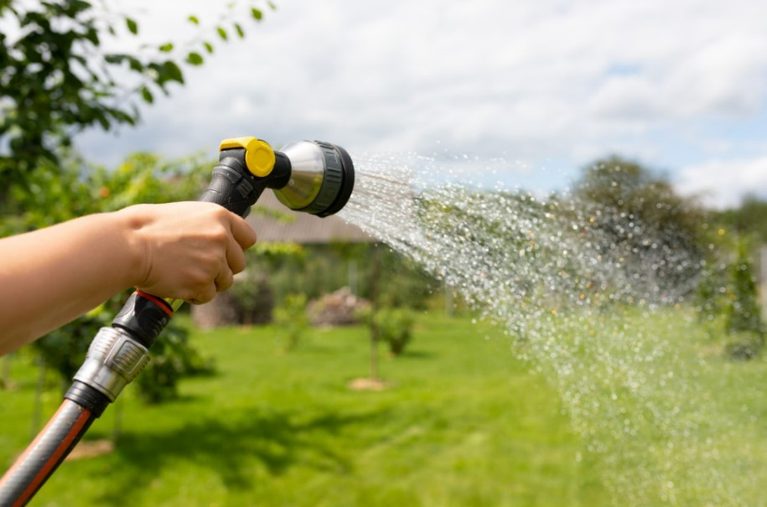
When it comes to watering, irrigation systems should be set to deliver about 1 inch of water per week. Deep watering encourages deep roots, which make your lawn more heat-tolerant. Irrigation is especially important during hot weather when grass may not get enough natural water.
Month-by-Month Lawn Care Calendar for Katy, TX
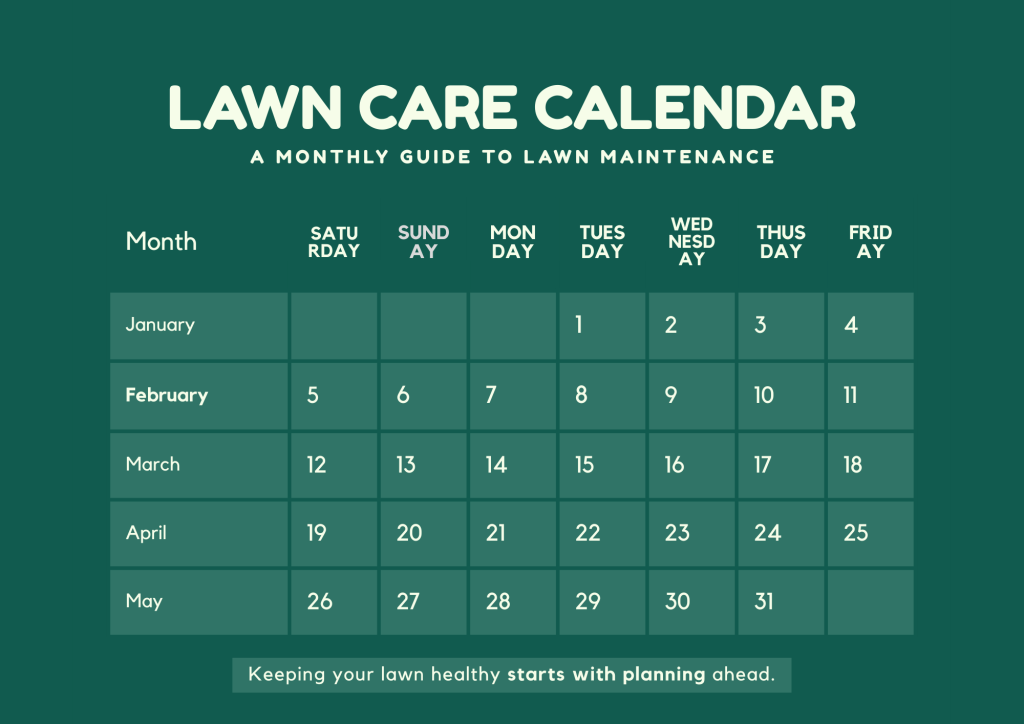
Having a month-long lawn care calendar is crucial to keeping your lawn healthy throughout the year. Below is a breakdown of essential lawn care tasks for homeowners in Katy.
Spring (March – May): Fertilization and Weed Control
As the temperatures rise and the grass starts to grow, spring is the time for fertilizing. Apply synthetic fertilizers or organic matter to ensure your grass has all the nutrients it needs for a strong start. This is also the ideal time for pre-emergent herbicide applications to prevent annual weeds like crabgrass from taking over. Regularly monitor your lawn for signs of perennial weeds and treat them with post-emergent herbicide.
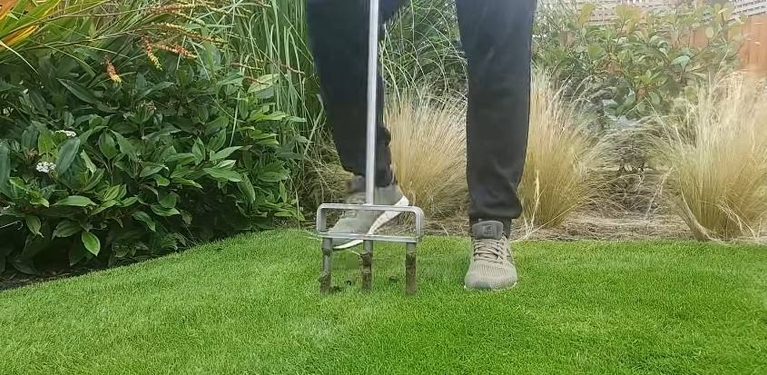
- Lawn Aeration: Aerating your lawn in spring helps relieve soil compaction and promotes root growth. If you haven’t aerated your lawn in the past year, this is a key task to ensure it stays healthy.
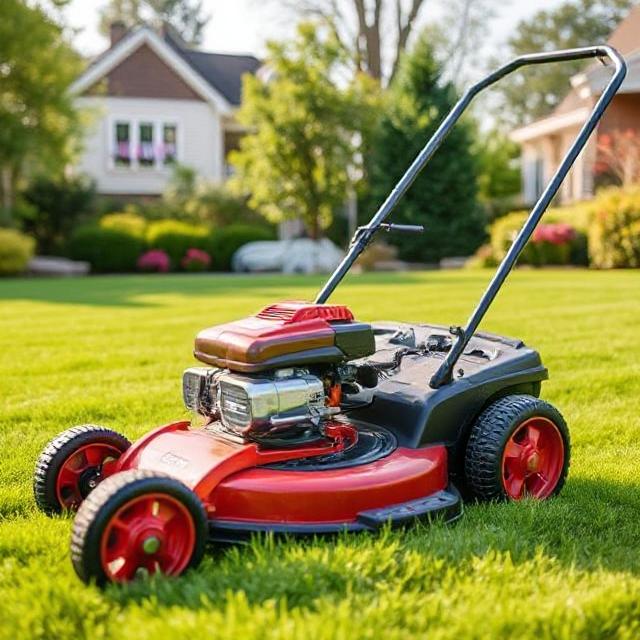
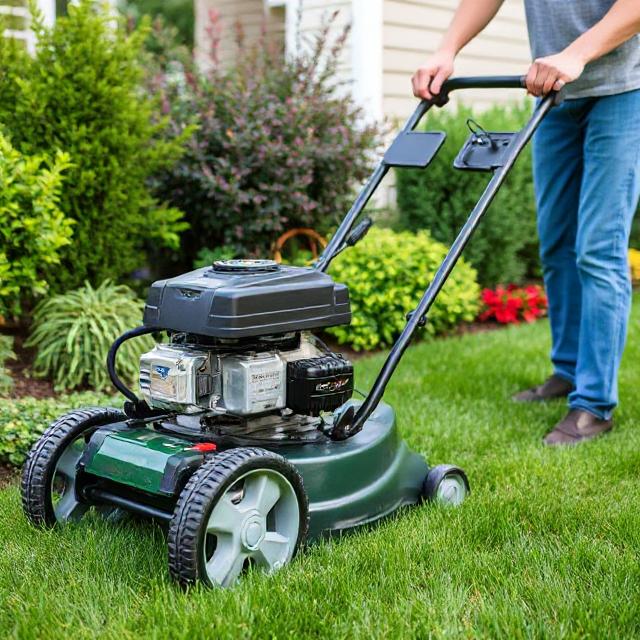
- Mower Height: Make sure your lawn mower is set at the right height. For warm-season grass like Bermuda, the ideal cutting height is between 1 to 2 inches, while St. Augustine prefers a slightly higher cut of 2.5 to 3 inches.
Summer (June – August): Watering and Pest Control
Summer can be tough on lawns, especially in dry weather. During this time, it’s important to maintain proper watering practices. Water deeply, but infrequently—aim for 1 inch of water per week. If you don’t have a reliable irrigation system, now is the time to check it for leaks and ensure it’s functioning properly.
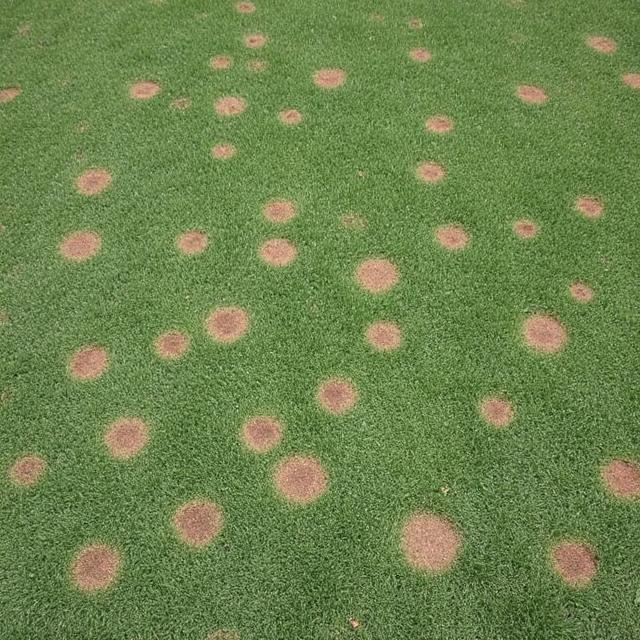
Grub control is also essential in the summer months. Grubs feed on grass roots, causing patches of dead grass. If you notice dead spots or yellowing grass, consider applying a grub control treatment, such as beneficial nematodes, which are an organic option.
- Mowing: Mower blades should be kept sharp during summer. Overgrown grass can easily become stressed during the heat, so regular mowing is crucial.
Fall (September – November): Overseeding and Aeration
As cooler temperatures arrive, it’s time to prepare your lawn for the cooler months ahead. This is the best time for aeration and overseeding. Aerating the lawn helps with soil compaction and gives the new seed the best chance to grow. If you have a cool-season grass like fescue, now is the best time to overseed.
In fall, you should also apply post-emergent herbicides to control any winter annuals that may begin sprouting.
- Top Dressing: After aerating, applying a thin layer of compost or soil helps promote healthy growth by adding essential nutrients.
Winter (December – February): Dormancy and Maintenance
During the winter months, grass typically goes dormant, but this doesn’t mean you can ignore it. Winter is the time to focus on lawn care maintenance tasks like inspecting your lawn mower, clearing wet leaves, and ensuring your irrigation system is ready for spring. Avoid excessive foot traffic on dormant turf, as this can compact the soil and damage the grass.
- Mower Maintenance: This is a great time to clean your lawn mower and perform basic maintenance, like sharpening the blades.
Lawn Care Maintenance: Common Tasks for a Healthier Lawn
Regular lawn care maintenance doesn’t stop with fertilization and aeration. A well-maintained lawn requires consistent attention to pests, weeds, and environmental factors.
- Weed Control: Both pre-emergent and post-emergent herbicides can be used to control grassy and perennial weeds.
- Lawn Fertilization: Follow the best practices for applying lawn fertilizer—don’t over-fertilize! Too much can cause fungal infections or excess build-up of chemicals in your lawn.
Internal Links
- Lawn Fertilization Schedule for Katy
- How to Properly Water Your Lawn in Katy
- Lawn Aeration Tips for Katy Homeowners
The Path to a Lush Lawn in Katy, TX
By following a well-structured lawn care calendar tailored to Katy’s weather conditions, you can achieve a lush lawn that stands out all year. Make sure to pay attention to essential tasks like mowing, fertilization, and weed control. With consistent care, your lawn will become the envy of the neighborhood, providing a beautiful and healthy environment for years to come.
FAQ Section
When should I fertilize my lawn in Katy, TX?
Fertilize your lawn in early spring and late summer for optimal growth.
How often should I mow my lawn in Katy?
Mow your lawn weekly during the growing season, and adjust the mower height depending on the grass type.
When should I aerate my lawn in Katy?
Aerate your lawn in spring or fall to promote better root growth.
What is the best temperature for grass to grow in Katy?
Grass grows best when temperatures are between 65°F and 75°F.
How can I prevent grubs in my lawn?
Apply grub control treatments in the summer to prevent damage from grubs.
What type of grass is best for Katy lawns?
Bermuda and St. Augustine grasses are ideal for Katy’s hot, humid climate.
How often should I water my lawn in Katy?
Water your lawn deeply once a week, especially during the summer months.
How do I fix a bumpy lawn?
Aerate and topdress with soil or compost to level out the bumps and improve grass growth.