Lawn Watering Tips for Katy, TX: Best Practices for Healthy Grass and Efficient Watering
Watering your lawn may seem simple, but did you know that proper watering can drastically impact your lawn’s overall health and appearance? Overwatering or underwatering your lawn without the right approach can lead to problems like brown grass, diseased roots, and dry patches. So, why is proper watering so important for Katy lawns? Let’s dive into this crucial topic.
Key Takeaways:
- Water your Katy lawn with 1 to 1.5 inches of water per week to keep it healthy.
- Early morning watering is the best time to minimize evaporation and reduce the risk of fungal diseases.
- Use innovative irrigation systems to automate your lawn’s watering schedule and save water.
- Consider deep watering methods to promote deeper root growth and improve drought resistance.
- Regularly check and maintain your sprinkler systems to ensure even water distribution and prevent waste.
- For optimal results, adjust watering based on the type of grass (Bermuda, St. Augustine) and local weather conditions.
The Impact of Katy’s Climate on Lawn Health
Katy, TX, is known for its hot summers and humid weather, which can stress your lawn incredibly. The heat and humidity can lead to evaporation, causing water to disappear quickly. Additionally, drought tolerance is key in this area, and drought conditions can stress your lawn further if you don’t apply supplemental irrigation or adjust your irrigation schedules accordingly.
Understanding how these climate factors affect your lawn is the first step in keeping it healthy. Whether it’s rainy season or dry periods, you need to adjust your watering schedule accordingly.
Benefits of Watering Your Lawn Properly
Proper watering can:
- Improve root growth, encouraging deeper roots for better drought resistance.
- Conserve water by using the right amounts.
- Enhance the appearance of your lawn, keeping it green and healthy.
Following proper watering practices ensures that your lawn gets what it needs to thrive while conserving water. Sounds like a win-win.
When is the Best Time to Water Your Lawn in Katy, TX?
Timing is everything regarding lawn watering in hot and humid climates like Katy. When is the best time to water your lawn to ensure its health and minimize waste?
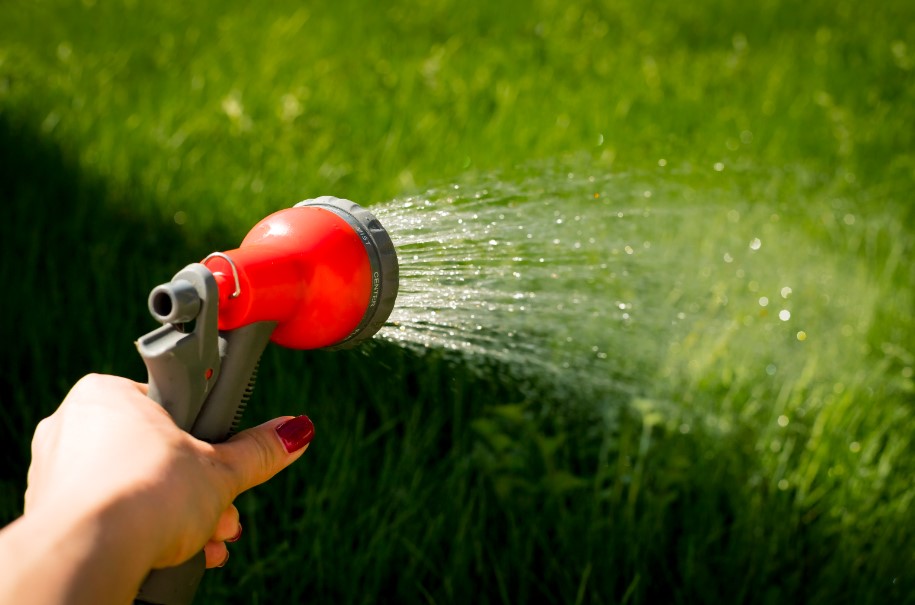
Early Morning vs. Evening Watering: Which is Best?
Early morning is the best time to water your lawn. The early hours are cooler, so less water evaporates before it reaches the roots. The grass has time to dry out before evening, reducing the chances of fungal diseases.
But what about evening watering? While it seems like a good time, it can create conditions encouraging fungal growth and diseases. This is because the moisture stays on the grass longer, allowing mold and fungus to spread. Yikes!
So, if you’re aiming for a healthy lawn, stick to watering in the early morning.
How Katy’s Weather Affects Watering Schedules
Katy’s weather can change quickly; understanding these changes is crucial for your lawn. During summer, the heat will dry out your lawn faster, so you might need to water more often. You may need to reduce watering in cooler months since cooler temperatures slow the evaporation process.
Effective Lawn Watering Techniques for Katy Lawns
Now that we’ve covered the best times to water, let’s talk about watering techniques. Which methods work best for Katy’s lawns?
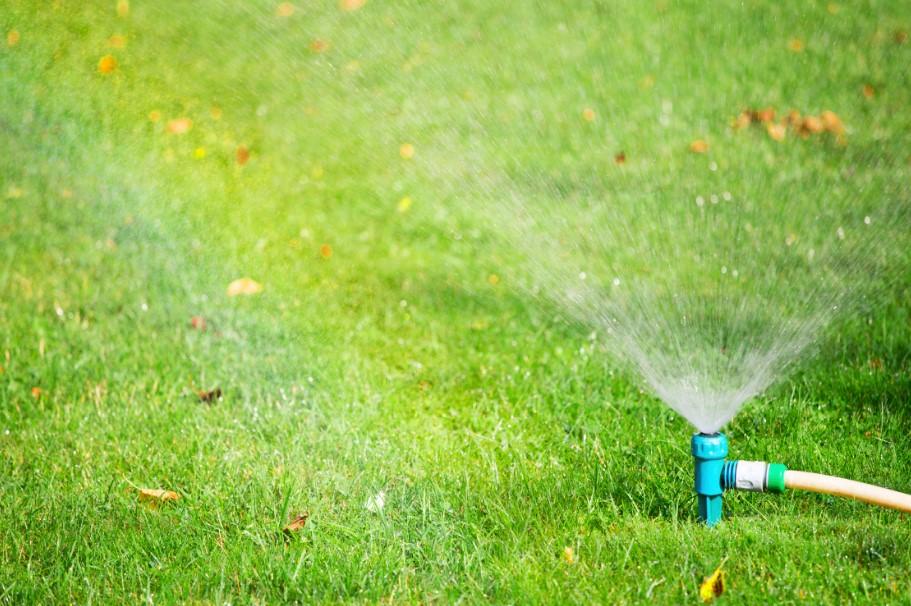
Sprinkler Systems: Types and Best Practices
Sprinkler systems are a great way to ensure your lawn is getting even coverage, but there are a few things to keep in mind:
- Types of Sprinkler Heads: Depending on your lawn’s size and shape, you may need rotary or spray heads. Rotary heads rotate and water a larger area, while spray heads cover smaller sections precisely.
- Best Practices: Regularly check your sprinklers for clogs or leaks. You’d be surprised how much water can be wasted through broken heads. Adjust the sprinkler’s spray pattern to avoid watering sidewalks or driveways.
A well-maintained lawn sprinkler system is an investment in your lawn and water bill.
Drip Irrigation: For Water Conservation
Drip irrigation is an excellent choice for more targeted watering. This method applies water directly to the roots of the plants, minimizing evaporation. It’s also more efficient and can save water, especially in areas like flower beds or gardens where frequent watering is necessary. You can even incorporate a rain sensor that will turn off the system when it’s raining, further conserving water.
Hand Watering: When Necessary
Although hand watering might sound like old-fashioned work, it’s pretty useful. It’s ideal for problem areas, like spots with uneven watering or areas that need special attention.
It’s also helpful for new grass or patchy spots where sprinklers might not reach. But be careful—hand watering can be time-consuming, and it’s easy to either overwater or underwater when relying on hand watering alone.
How Much Water Does Your Katy Lawn Need?
One of the most common questions is how much water your lawn should get. For most lawns in Katy, you’ll need about 1 to 1.5 inches of water per week. This amount is usually sufficient to keep the grass hydrated while promoting deeper root growth.
How Long Should I Leave the Sprinkler On?
To determine how long to run your sprinklers, you’ll want to know your water application rate: how much water your sprinklers deliver over time. You can calculate this using the tuna can test—place a small can or container on your lawn while the sprinklers run, then measure how much water is in the container. This will tell you how long you must run your sprinklers to deliver 1 inch of water.
Watering Bermuda and St. Augustine Grass in Texas
Bermuda grass and St. Augustine grass are two of the most common types of grass in Katy. Bermuda grass is more drought-tolerant and requires less frequent watering. However, you may need to water a bit more often to keep St. Augustine grass green, especially during dry spells.
- Bermuda grass thrives in warm weather but does best with deep watering. Aim for deep watering that reaches at least 6 inches deep into the soil.
- St. Augustine grass has shallow roots so that it may require more frequent watering, especially in dry conditions. Watering times should be adjusted to keep the grass hydrated without over-saturating it.
Common Lawn Watering Mistakes to Avoid
It’s easy to make mistakes when watering your lawn, but these errors can lead to costly damage to your grass and water waste. Let’s look at some common mistakes homeowners make:
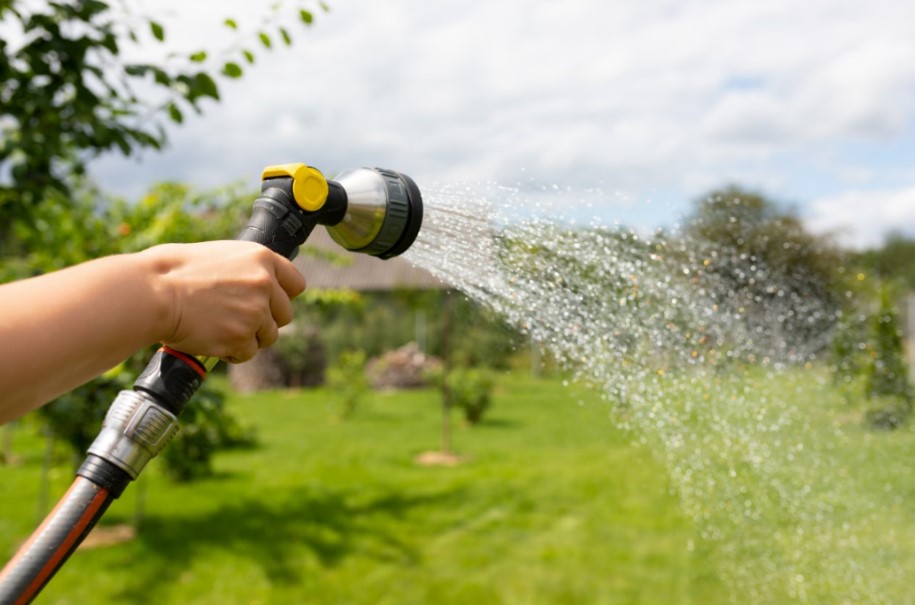
Overwatering vs. Underwatering: Finding the Balance
Overwatering and underwatering both harm your lawn in different ways. Overwatering can drown your grass and lead to root rot, while underwatering causes stress and wilting. To avoid both, aim for deep watering on a weekly basis, adjusting based on weather conditions.
Watering in Windy Conditions
It’s also essential to consider windy conditions when watering. If it’s windy, water will be blown away, making watering efforts less efficient. Consider using a drip irrigation system or soaker hoses to direct water precisely where needed, preventing wastage.
How to Conserve Water While Maintaining a Healthy Lawn in Katy
Many Katy homeowners prioritize conserving water while keeping their lawns healthy. Here are some tips to reduce your water usage while still maintaining a green lawn.
Installing a Smart Irrigation System
An intelligent irrigation system is a game-changer when it comes to water conservation. These systems adjust your watering schedule based on weather conditions, ensuring your lawn is only watered when needed.
- Benefits: Reduced water waste, more consistent watering, and lower water bills.
It’s a smart investment for both your lawn and the environment!
Using Organic Mulch for Moisture Retention
Mulching is another great way to conserve water. Wood chips and organic material are a barrier that helps retain moisture in the soil, reducing the need for frequent watering. Mulch also adds nutrients to the soil as it breaks down, enriching the soil with organic matter that supports the health of your grass.
Aerating Your Lawn
Regular lawn aeration helps water penetrate deeper into the soil, reducing the chances of compacted soil and shallow root growth. Aerating your lawn also promotes soil activity and enhances water absorption, which means less frequent watering in the long term.
Frequently Asked Questions (FAQ)
How often should I water my lawn in Houston, TX?
In Houston, the watering schedule depends on the weather. During hot summer months, you may need to water twice a week, while in cooler months, once a week is generally sufficient. Adjust according to rainfall and soil conditions.
What is the best time to run sprinklers?
The best time to run sprinklers is early morning before the sun heats the lawn. This allows the water to soak in without evaporating too quickly.
How long should I leave a sprinkler on?
It depends on your sprinkler’s output. Typically, you should run your sprinkler for about 30 minutes to 1 hour per zone, ensuring you deliver about 1 inch of water to your lawn.
How much should I water my Bermuda grass in Texas?
Bermuda grass is drought-tolerant but benefits from deep watering. Aim to water about once a week, delivering 1 inch to encourage deeper root growth.
How often should I mow my lawn in Houston?
Mow your lawn once a week during the growing season to keep it healthy. Reduce mowing during dry periods to preserve the grass.
Keep Your Lawn Healthy and Green All Year Long
Taking care of your lawn isn’t just about watering—it’s about watering the right way at the right time. Following these tips will keep your Katy lawn healthy, vibrant, and water-efficient all year.
- Stick to deep watering practices to encourage strong, deep root systems.
- Use innovative irrigation systems to automate watering schedules and save water.
- Adjust your watering based on the weather conditions and the soil type in your yard.
By following these tips and avoiding common mistakes, your lawn will thrive and stay green even through the hottest Texas summers. Don’t forget to contact KatyLawnPro for personalized irrigation services tailored to your lawn’s needs.