Top Lawn Care Myths in Katy, TX: Debunking Common Misconceptions
Maintaining a beautiful lawn in Katy, TX, is no easy task. Between the hot summer months, dry conditions, and compact soils, many homeowners often find themselves misled by common lawn care myths. These myths can lead to costly mistakes and unhealthy lawns. In this article, we will explore and debunk some of the most common misconceptions about lawn care. We’ll also answer some of the most frequently asked questions to help you make informed decisions about your lawn care routine.
Key Takeaways:
- Cutting grass too short stresses your lawn, leading to shallow roots and vulnerability to heat and drought.
- Water your lawn deeply but infrequently, about once or twice a week, to promote deep root growth.
- Grass clippings benefit your lawn; leaving them helps recycle nutrients and retain moisture.
- Aerating your lawn annually helps reduce soil compaction and allows better water and nutrient absorption.
- Fertilize your lawn year-round, with spring and fall applications, to ensure healthy growth.
- Regular lawn care practices like mowing, watering, and fertilization are essential to prevent lawn diseases and maintain a healthy, vibrant lawn.
What Are the Most Common Lawn Care Myths and How Can You Avoid Them?
Many lawn care myths can harm your lawn if you follow them. Cutting grass too short, watering daily, or over-fertilizing are all common mistakes. Mowing at the right height, watering deeply but less often, and fertilizing seasonally are the best ways to maintain a healthy lawn.
Myth 1: Cutting Grass Short Reduces Mowing Frequency
The Truth About Grass Height
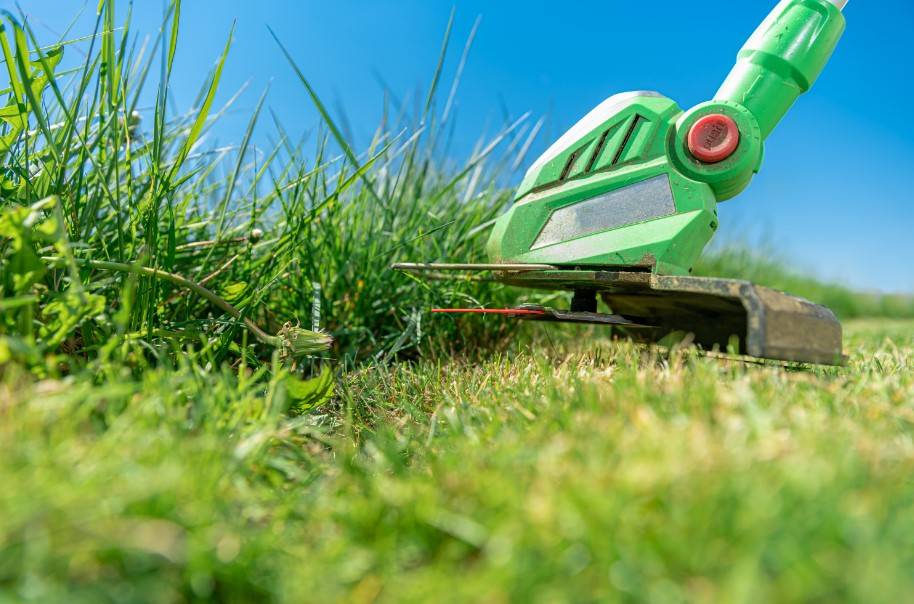
A common mistake homeowners make is cutting their grass too short, thinking it will reduce mowing frequency. However, cutting grass too short weakens the roots and makes the lawn more vulnerable to heat and drought, particularly in Katy’s dry conditions. Grass blades need enough length to absorb sunlight and nourish the grass properly.
In Katy, TX, where the soil can be compact, it’s best to mow your lawn to a height of about 2.5 to 3 inches. This allows the grass to grow strong, helps shade the soil, and prevents moisture loss. Cutting your grass at the right height helps deepen roots, making the lawn more resilient to dry spells.
Best Mowing Practices for Katy, TX
Mowing should be done regularly, especially during the growing season. For St. Augustine and Bermuda grasses common in Katy, mowing once a week is ideal. Remember to never cut more than one-third of the grass blades at once. Cutting too much at once can cause damage and stress if the grass gets too long between mows. Also, always make sure your mower blades are sharp to prevent dull blades, which tear the grass rather than cutting it cleanly.
Myth 2: Watering Your Lawn Every Day is Essential
Watering Techniques for Healthy Lawns
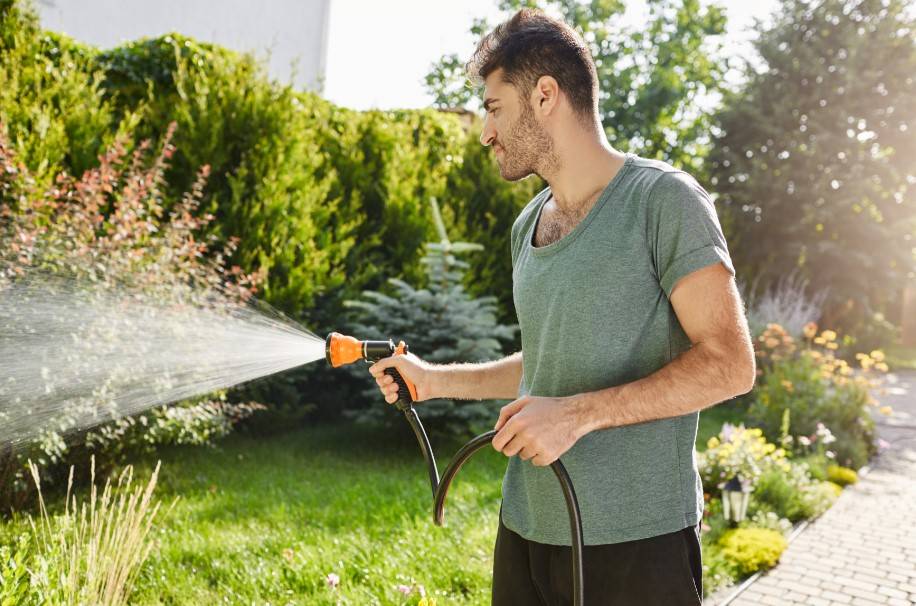
Watering every day may seem like a good idea to keep your lawn green, but this can cause more harm than good. Shallow roots form when grass is watered too frequently, which makes it harder for the roots to reach deeper, more stable moisture in the soil. Instead, it’s better to water deeply but infrequently, especially in Katy, TX, where the summer heat can be intense.
A good rule of thumb is to water once or twice a week, giving your lawn around 1 to 1.5 inches each time. Watering in the early morning, before the sun is fully up, is best to reduce evaporation and help avoid lawn diseases.
Consequences of Overwatering
Overwatering is a common mistake in lawn care. When the grass receives too much water, it can develop fungal diseases and root rot, particularly in compact soils like those in Katy. Overwatering can also lead to brown grass, as the roots struggle to get oxygen, and can cause the soil to become waterlogged. Ensure you follow a watering schedule appropriate for your lawn’s needs and the local climate.
Myth 3: Grass Clippings Contribute to Thatch Build-Up
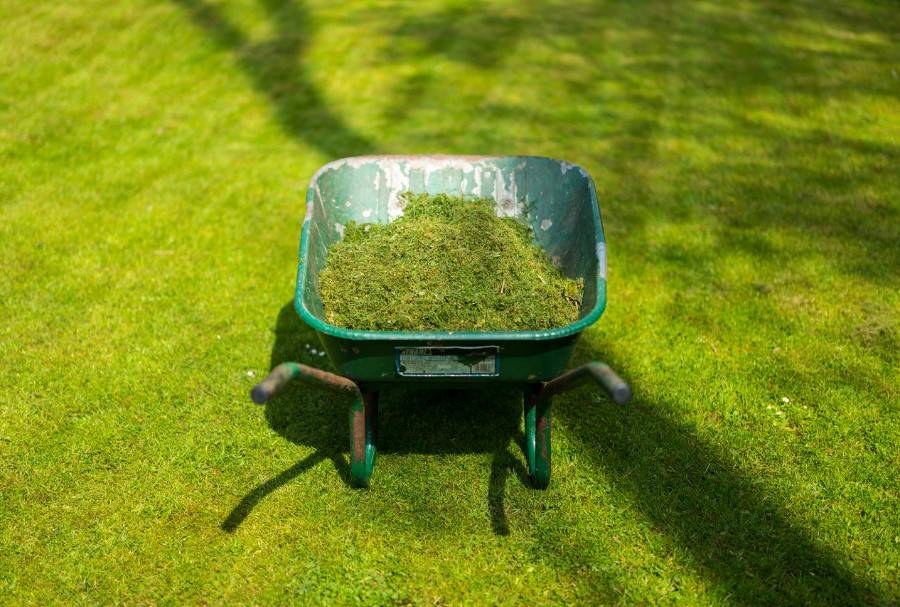
Benefits of Leaving Clippings on the Lawn
Many people think that leaving grass clippings on the lawn causes thatch build-up, but this is a myth. In reality, leaving clippings on your lawn is beneficial. As the clippings decompose, they return nutrients to the soil, acting as a natural fertilizer. The moisture retained by the clippings also helps to conserve water, making your lawn more drought-resistant.
You should avoid leaving large clumps of grass on the lawn, as this can cause the grass underneath to suffocate. But small, finely chopped clippings will break down quickly and enhance your organic lawn care approach.
Understanding Thatch Formation and Lawn Care
Thatch is a layer of dead grass and roots that can build up on the soil surface. While a small amount of thatch is normal, too much can hinder water and nutrient absorption. Aeration is the best solution to prevent and manage thatch in Katy, TX, where soil compaction can be an issue. Aerating your lawn once a year allows water and air to penetrate the soil more effectively.
Myth 4: Aerating Your Lawn is Unnecessary
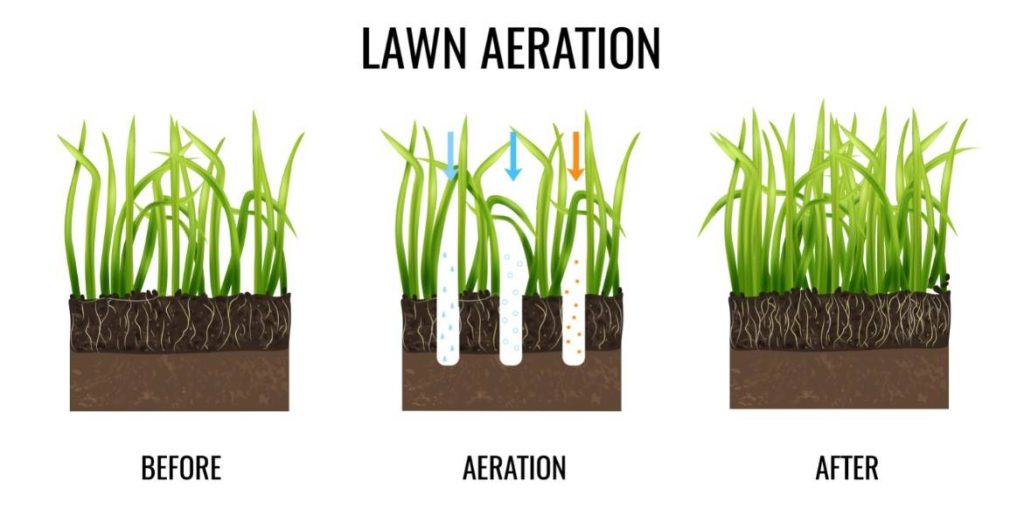
Importance of Lawn Aeration
Aeration is a lawn care practice that is often neglected, but it plays a critical role in lawn health. Aeration helps to reduce soil compaction, which is common in clay-heavy soils like those in Katy, TX. When the soil becomes compacted, water, nutrients, and air struggle to reach the grass roots, leading to a weaker lawn.
Aerating your lawn helps deepen root growth, improves drainage, and enhances overall lawn health. Aeration is especially important for lawns with cool-season grasses, such as Poa Annua, and lawns that experience heavy foot traffic.
Aeration Techniques for Katy, TX
For the best results, Katylawnpro recommends aerating your lawn in the late spring or early fall, when the grass is actively growing. If your lawn has not been aerated in a while, scheduling an aeration service with landscape professionals is a good idea. Regular aeration will help maintain your lawn’s health throughout the year.
Myth 5: Fertilizing Your Lawn is Only for Spring
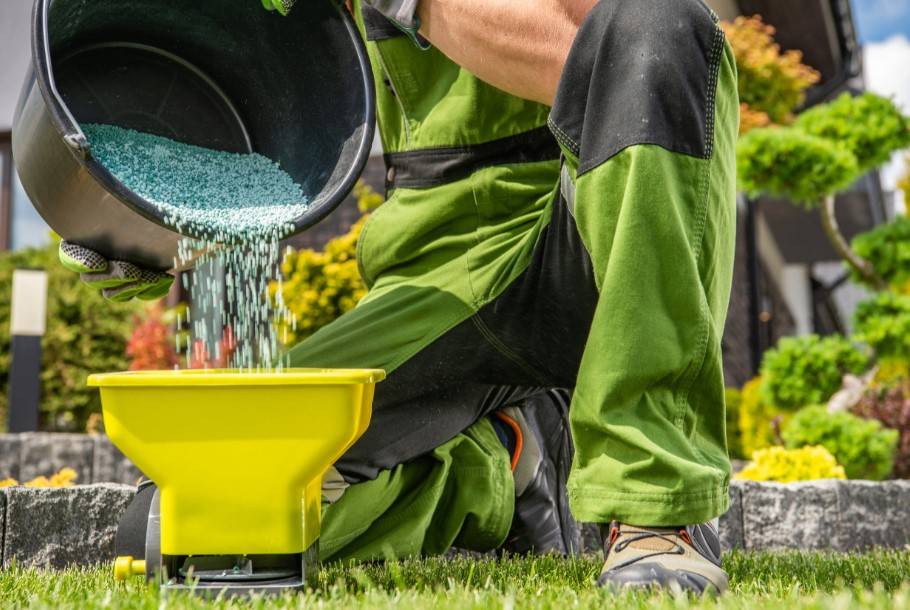
Fertilization Needs for Warm-Season Grasses
Fertilizing your lawn just once in the spring isn’t enough to maintain a healthy lawn year-round. St. Augustine and Bermuda grasses in Katy, TX, require fertilization throughout the year. A well-balanced lawn care program includes fertilization in both the spring and fall.
Spring fertilization kick-starts the growing season, while fall fertilization helps prepare the lawn for winter and supports strong growth in the spring. Katylawnpro can guide you on the right fertilizer and timing for your specific lawn needs.
Signs of Nutrient Deficiency in Katy Lawns
A lawn that’s not getting enough nutrients may begin to show signs of brown grass or stunted growth. If you notice these signs, conducting a soil test to identify which nutrients your lawn is lacking is a good idea. Katylawnpro can provide tailored fertilization recommendations to address these deficiencies and ensure your lawn stays lush and green.
How to Maintain the Perfect Lawn
Maintaining a perfect lawn requires consistency. Here are some practical tips:
- Mow regularly: Stick to the recommended mowing height for your grass type.
- Water deeply: Water your lawn deeply but infrequently to promote strong, deep roots.
- Fertilize year-round: Follow a fertilization schedule that suits your grass type and the season.
- Aerate annually: Aerate your lawn to prevent compaction and allow nutrients to reach the roots.
- Manage pests and diseases: Keep an eye out for signs of pest issues and treat them early.
Frequently Asked Questions About Lawn Care in Katy, TX
What’s the best treatment for a lawn?
The best treatment includes proper mowing, deep watering, seasonal fertilization, and annual aeration.
What is top dressing a lawn?
Top dressing is the practice of adding a thin layer of soil or compost to the lawn to improve soil quality and encourage healthy grass growth.
How do I make my lawn greener?
Ensure your lawn receives the right amount of water, nutrients, and sunlight to make it greener. Use fertilizers and aerate the lawn regularly.
How do I prevent grass sickness?
Prevent grass sickness by maintaining healthy lawn practices, such as watering properly and aerating regularly.
Can you over-treat your lawn?
Yes, over-fertilizing or applying pesticides too often can damage your lawn. Follow recommended guidelines.
How do I treat lawn diseases?
Treat lawn diseases by identifying the cause and applying the appropriate treatments. Regular lawn care practices help reduce the risk.
When should I aerate my lawn?
Aerate your lawn in late spring or early fall when the grass is actively growing.
Now that we’ve debunked some common myths and answered common questions, you’re better equipped to care for your lawn in Katy, TX. Whether you’re dealing with patchy grass, lawn diseases, or dry conditions, following the proper lawn care practices will help your lawn stay healthy and vibrant year-round. Katylawnpro is always here to help with expert advice and professional services. Visit katylawnpro.com today to schedule a consultation and get started on achieving your perfect lawn.