The Ultimate Guide to Eco-Friendly Lawn Care in Katy, TX
Maintaining a beautiful lawn in Katy, TX, can be a satisfying experience, especially when it’s done in an eco-friendly way. Whether you’re managing cool-season grasses or warm-season grasses, you can take plenty of steps to keep your lawn healthy and beautiful while being mindful of the environment. This guide will walk you through essential tips on lawn care, effective weed control, and other sustainable practices perfect for Katy lawns.
What is Eco-Friendly Lawn Care?
Eco-friendly lawn care focuses on using organic fertilizers, reducing water use, and choosing native grasses. It promotes natural pest control, healthy soil, and minimal chemical use, benefiting the environment. This approach conserves resources, supports biodiversity, and helps create a sustainable lawn that thrives naturally.
Why Choose Eco-Friendly Lawn Care in Katy, TX?
Seasonal Adjustments for Katy Lawns
Katy’s hot summer months and mild winters mean you need to plan your lawn care carefully. During winter dormancy, lawns slow down, and the grass may not need as much water or fertilizer. For cool-season grasses, such as fescue, late fall is a good time to fertilize to ensure strong root growth for the colder months. Conversely, warm-season grasses like Bermuda and St. Augustine grass need a little more care when they are growing actively during the summer.
Benefits of Eco-Friendly Lawn Care Practices
By using natural methods, you can not only create a healthy lawn but also help reduce water usage, minimize chemical waste, and improve your soil’s health. Pre-emergent herbicides and post-emergent herbicides are effective solutions for managing weeds without harming the environment. Plus, using natural fertilizers instead of synthetic chemicals improves the overall quality of the soil and makes your lawn less dependent on frequent treatments.
Best Practices for Eco-Friendly Lawn Care

1. Choose the Right Grass Type
In Katy, TX, warm-season grasses such as Bermuda grass and Zoysiagrass are best suited for the local climate. These grasses are heat-tolerant and resistant to drought. Cool-season grasses, like fescue, are another option but need more water and care during the summer heat. When planning your lawn, consider the specific soil conditions in your area, such as sandy or typical soil, and choose grass types adapted to these conditions.
2. Water Efficiently
Water is one of the most important resources for your lawn, but conserving water is critical in a place like Katy. To ensure your lawn stays healthy, water deeply but infrequently. Typically, one inch of water per week is enough for most grasses, but it’s essential to adjust this based on the season. Installing a smart irrigation system can help you save water by adjusting the watering schedule based on weather patterns.
3. Use Organic Fertilizers
Organic fertilizers are a great choice for maintaining a healthy lawn without using harmful chemicals. Products like compost, fish emulsion, and seaweed extract provide essential nutrients and support healthy soil. In areas like Katy with clay-heavy soil, organic materials can help improve soil structure and make it easier for your grass to grow deep, healthy roots.
4. Effective Weed Control
Weeds can compete with your grass for water and nutrients, but you don’t need harsh chemicals to control them. Use pre-emergent herbicides in early spring to stop weeds before they appear. For existing weeds, try post-emergent herbicides or natural methods like mulching and using natural herbicides. Keeping your lawn healthy and thick with proper care is another great way to naturally prevent weeds from taking over.
5. Aerate Your Lawn
Aerating your lawn helps relieve soil compaction and improves air circulation, allowing water and nutrients to penetrate the soil more effectively. This practice is especially beneficial for lawns in Katy, TX, which often have heavy clay soil. Regular aeration helps promote strong root growth and keeps your lawn healthy year-round.
6. Lawn Mowing and Maintenance
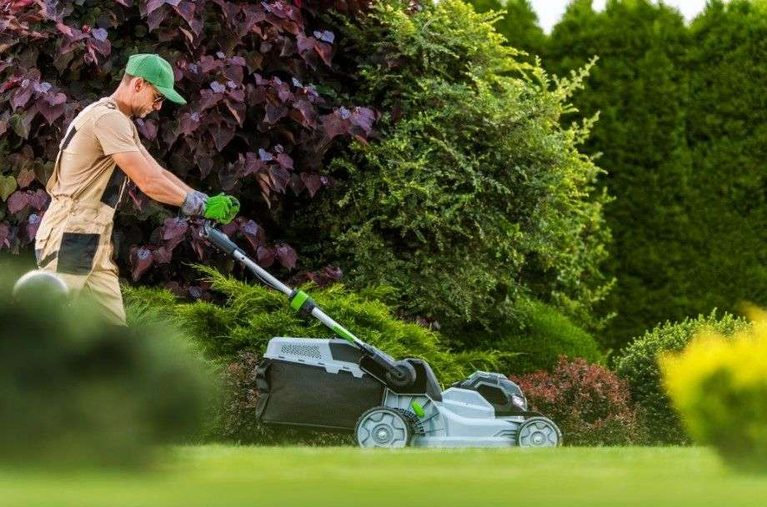
For a healthy lawn, it’s important to mow regularly. A sharp blade is essential to prevent damage to the grass blades. Avoid cutting your grass too short, as this weakens it and makes it more susceptible to stress, pests, and drought. In Katy, keeping your lawn about two to three inches in height is ideal. Also, avoid bagging grass clippings; leave them on the lawn to return nutrients to the soil.
Seasonal Lawn Care in Katy, TX
Winter Care
During the winter months, your lawn may go dormant, especially warm-season grasses. Use this time to focus on tasks that don’t stress the grass, like cleaning up flower beds and maintaining equipment. If you have cool-season grasses, light fertilizing can help prepare them for growth in the spring. Just avoid over-fertilizing, as it can damage the lawn when the temperatures rise.
Spring and Summer Lawn Care
Spring and summer are critical seasons for warm-season grasses in Katy. Begin by aerating your lawn and applying pre-emergent herbicides to prevent weed growth. Water deeply during the warmer months to ensure healthy roots, and adjust your irrigation to provide adequate moisture during the hot temperatures.
Fall Lawn Care
In the fall, cool-season grasses need overseeding attention, while warm-season grasses may require a light fertilizer application to prepare for dormancy. Fall is also a great time to check for lawn diseases and pests, including chinch bugs, and take care of any problems before they spread.
Frequently Asked Questions
What is the best type of grass for Katy, TX?
For Katy’s hot climate, warm-season grasses like Bermuda grass and Zoysiagrass are excellent choices.
How do I reduce my lawn’s water usage?
Use a smart irrigation system, water deeply but infrequently, and choose drought-resistant grass types like Bermuda and Zoysiagrass.
What are the benefits of using organic fertilizers?
Organic fertilizers improve soil health, provide slow-release nutrients, and reduce the risk of harmful environmental runoff.
How can I prevent weeds in my Katy lawn?
Apply pre-emergent herbicides in early spring to stop weed seeds from germinating, and use post-emergent herbicides for existing weeds.
How often should I mow my lawn?
Mow regularly, keeping the grass height between two and three inches for the healthiest growth.
Is aeration necessary for my lawn?
Yes, aeration helps reduce soil compaction, improves water and nutrient absorption, and promotes strong root growth.
Can I use natural methods to control pests?
Yes, use natural insect repellents, like neem oil, and encourage beneficial insects like ladybugs to control pests.
By following these tips for seasonal lawn care and using eco-friendly practices, you can create a beautiful, sustainable lawn in Katy, TX. Whether you’re opting for professional lawn care services or managing your lawn yourself, these tips will help you maintain a lush, weed-free lawn while being mindful of the environment. If you’re looking for expert lawn care advice, reach out to katylawnpro.com for top-quality service!