Guide to St. Augustine Grass Care in Katy, TX
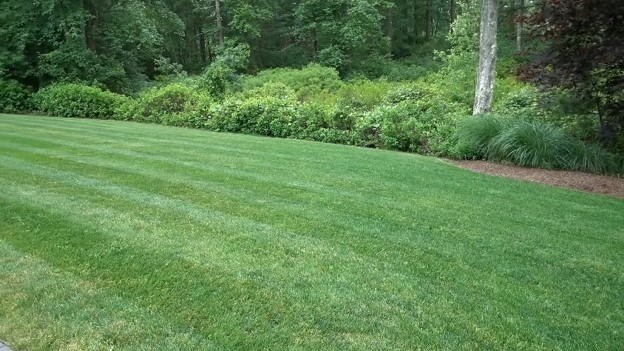
For maintaining a beautiful lawn in Katy, TX, St. Augustine grass is one of the most popular choices for homeowners. Known for its lush, green appearance and tolerance to heat and humidity, this type of grass thrives in the climate of Katy, making it an excellent option for many local lawns.
Whether you’re a new homeowner in Katy or looking to improve your lawn care routine, St. Augustine grass care Katy is essential to maintaining that vibrant, healthy look year-round. In this guide, I will cover everything you need to know about caring for your St. Augustine grass, including the best practices for watering, mowing, and fertilizing, as well as common problems you may face.
Key Takeaways:
- Water St. Augustine grass in Katy weekly with 1–1.5 inches to encourage deep root growth and avoid over-watering.
- Mow your grass at a height of 2.5–4 inches to help retain moisture and resist heat stress.
- Fertilize your lawn with a balanced fertilizer (16-4-8) in spring and summer for optimal growth.
- Aerate your lawn annually to improve soil health and prevent thatch buildup, especially in clay-heavy soil.
- Check regularly for pests like chinch bugs and grubs, and apply treatments as needed to prevent damage.
- Plant St. Augustine grass in shaded areas with at least 3–4 hours of sunlight for the best results.
Why Choose St. Augustine Grass for Your Katy Lawn?
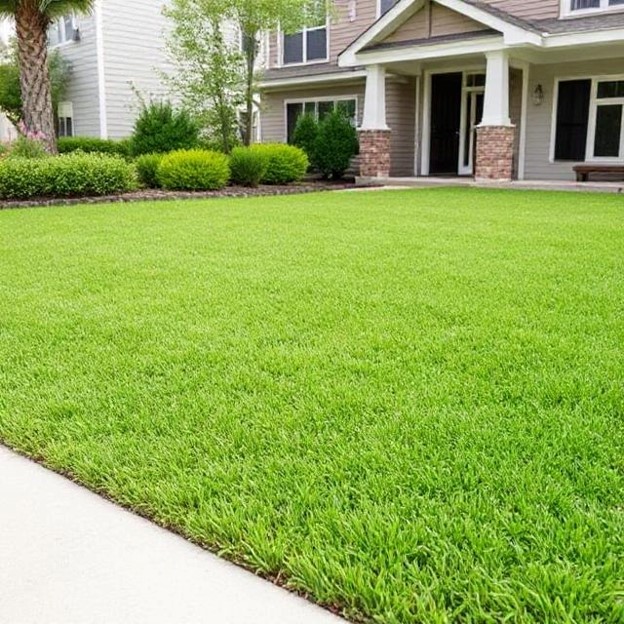
St. Augustine grass is favored by many homeowners in Katy because of its ability to thrive in hot and humid climates. Its coarse texture and deep green color provide a lush, tropical look to any lawn. St. Augustine grass is known for growing well in shady areas, making it an ideal choice for yards with trees or those that don’t get full sunlight.
But what makes it even more special is its relatively low maintenance needs compared to other types of grass. If you provide the right care, St. Augustine grass can withstand the tough weather conditions of Katy, Texas, while offering a beautiful lawn for years.
How to Care for St. Augustine Grass in Katy, TX
Proper care of St. Augustine grass involves a combination of watering, mowing, fertilizing, and pest control. Let’s break it down:
1. Watering Your St. Augustine Grass
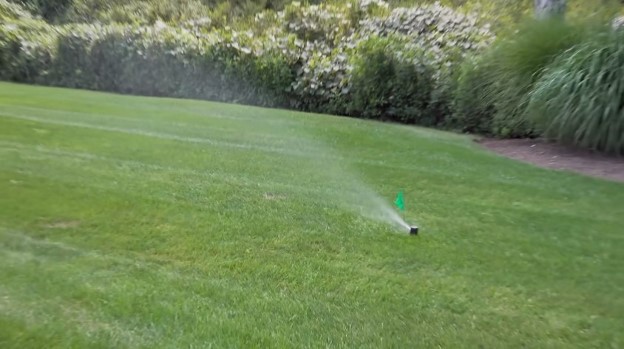
Watering is one of the most crucial aspects of maintaining a healthy lawn. For St. Augustine grass in Katy, TX, here’s what you need to know:
- How Often to Water: During the hotter months, St. Augustine grass should be watered about 1 to 1.5 inches weekly. This can be achieved through rainfall or irrigation. If you’re using sprinklers, water deeply and infrequently to encourage deep root growth.
- Best Time to Water: Water early in the morning, ideally before 10 AM. This allows the water to soak in before the day’s heat sets in, preventing evaporation and ensuring that your grass absorbs the moisture it needs.
- Avoid Over-Watering: Over-watering can lead to shallow roots and increase the risk of fungal diseases. Make sure the soil dries out slightly between watering sessions.
2. Mowing St. Augustine Grass for a Healthy Lawn
Mowing is essential for promoting healthy growth, but it’s important to follow the right practices for St. Augustine grass care in Katy:
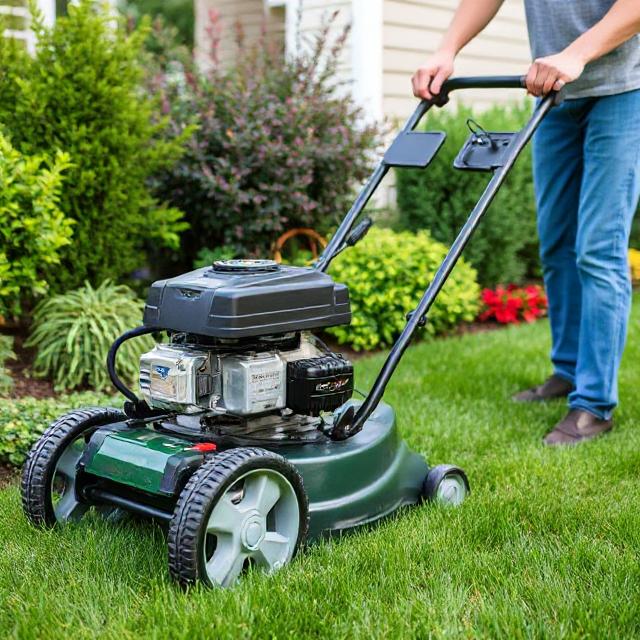
- Ideal Grass Height: The recommended height for St. Augustine grass is between 2.5 to 4 inches. Mowing at this height helps your lawn retain moisture and resist heat stress.
- Mowing Frequency: Mow your St. Augustine grass once a week during the growing season (spring and summer) and less frequently during the cooler months. Always mow when the grass is dry, and never cut more than a third of the grass blade at once.
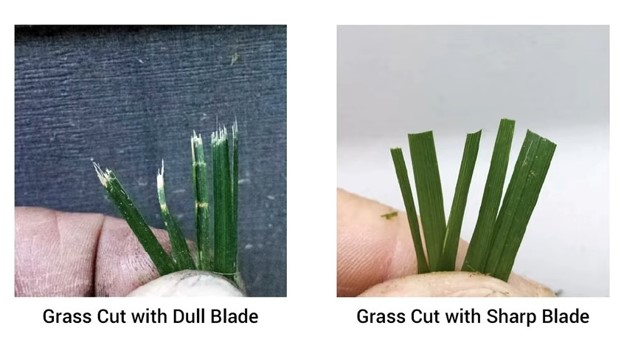
- Sharp Mower Blades: Ensure your mower blades are sharp to avoid tearing the grass. Dull blades can cause uneven cuts and lead to disease.
3. Fertilizing St. Augustine Grass for a Vibrant Lawn
St. Augustine grass thrives when fertilized properly. To keep your lawn lush and healthy, consider the following fertilizing tips:
- When to Fertilize: During the growing season (spring to early fall), St. Augustine grass in Katy will benefit from fertilization. Apply a balanced fertilizer (16-4-8) in the spring, right after the last frost, and again in the summer.
- How Much Fertilizer to Use: Apply about 1 pound of nitrogen per 1,000 square feet of lawn per application. Over-fertilizing can lead to thatch buildup and make your lawn susceptible to disease.
- Slow-Release Fertilizers: These fertilizers release nutrients gradually and are a great option for St. Augustine grass, as they help maintain a steady supply of nutrients throughout the growing season.
4. Dealing with Common St. Augustine Grass Problems in Katy, TX
Even though St. Augustine grass is relatively low-maintenance, it can still face certain issues, especially with the weather and local pests. Here are some of the common problems you might encounter:
- Chinch Bugs: These tiny pests are notorious for causing damage to St. Augustine grass. They suck the nutrients out of the grass, leading to yellow or brown patches. If you see this problem, apply an insecticide to control chinch bugs.
- Brown Patch Disease: This fungal disease often appears as circular brown spots in the lawn. It thrives in humid conditions, making it common in Katy’s climate. Aerating your lawn and applying fungicides can help control this issue.
- Thatch Buildup is a layer of dead grass and roots that can accumulate on the soil surface. If it gets too thick, it can prevent water and nutrients from reaching the roots. Aerate your lawn regularly to prevent thatch buildup.
5. Aeration for Healthy Roots
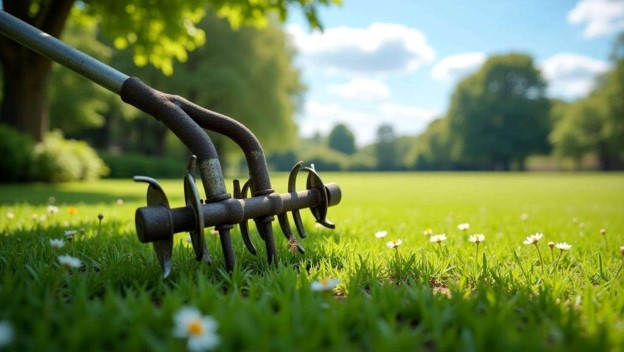
Aeration is one of the best ways to improve soil health and ensure your St. Augustine grass has strong roots. Aerating your lawn annually, especially in the spring or fall, helps relieve soil compaction, improves water absorption, and allows air to reach the roots. According to Texas A&M AgriLife Extension, regular aeration improves root depth and encourages better nutrient absorption, critical in Katy’s clay-heavy soils.
Aeration becomes even more important if you’re in Katy, TX, where the soil can be clay-heavy. You can either rent an aerator or hire a local professional like KatyLawnPro to do the job.
6. Pest Control and Disease Prevention for St. Augustine Grass
Besides chinch bugs, other pests and diseases may affect your St. Augustine grass. Here are a few tips to prevent them:
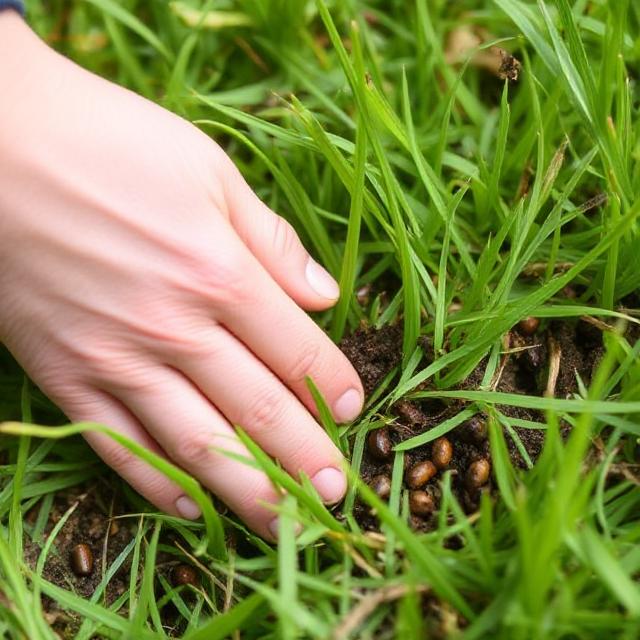
- Grubworms: These pests feed on the roots of your grass, causing patches to die off. If you notice brown patches, check the soil for grubs. Applying a grub control treatment can help eliminate this problem.
- Mole Crickets: Another pest that feeds on St. Augustine grass is the mole cricket. Their tunneling can cause the grass to pull up easily. Control mole crickets by applying a targeted insecticide.
- Fungal Infections: Fungal diseases like leaf spot and brown patch are common in Katy’s humid environment. Applying fungicides when necessary and maintaining proper lawn care practices can help keep your lawn healthy.
| Care Step | Recommended Action | Frequency | Best Time |
| Watering | 1-1.5 inches per week | Weekly | Morning |
| Mowing | 2.5-4 inches height | Weekly (growing season) | Mid-week |
| Fertilizing | 16-4-8 Fertilizer | Spring, Summer | After Last Frost |
| Aeration | Core Aeration | Annually | Spring/Fall |
FAQs: St. Augustine Grass Care in Katy, TX
How often should I water my St. Augustine grass in Katy?
Water your St. Augustine grass about 1 to 1.5 inches per week. This can be achieved through irrigation or rainfall. Watering early in the morning is ideal to avoid evaporation.
What is the best time to fertilize St. Augustine grass in Katy?
Fertilize in early spring after the last frost and again in summer for the best results. Use a balanced fertilizer like 16-4-8 for optimal growth.
Why are my St. Augustine grass blades turning yellow?
A variety of factors, including over-watering, nutrient deficiencies, or pest infestations like chinch bugs, can cause yellowing. Check for these issues and adjust your care routine accordingly.
How can I prevent thatch buildup in St. Augustine grass?
Aerate your lawn annually to reduce thatch buildup and improve water and nutrient absorption.
Can I plant St. Augustine grass in shaded lawn areas?
Yes, St. Augustine grass is well-suited for shaded areas and will still grow well if it receives a minimum of 3-4 hours of direct sunlight.
How can I control pests in my St. Augustine grass lawn?
Regularly inspect your lawn for pests like chinch bugs and grub worms. If found, treat with appropriate insecticides or organic pest control solutions.
How often should I mow my St. Augustine grass?
Mow your St. Augustine grass once a week during the growing season to maintain the recommended height of 2.5 to 4 inches.
Can I use a weed killer on my St. Augustine grass?
Yes, but be cautious when applying weed killers. Select products that are safe for St. Augustine grass to avoid damage.
St. Augustine Grass Care in Katy, TX
Caring for your St. Augustine grass in Katy, TX, doesn’t have to be overwhelming. You can enjoy a healthy, vibrant lawn throughout the year by following the tips for watering, mowing, fertilizing, and pest control. If you’re unsure where to start or want professional help, don’t hesitate to contact experts like KatyLawnPro, who specialize in local lawn care.
Remember, a little extra effort now will pay off in the long run with a beautiful lawn that adds curb appeal and a relaxing space for your family and friends.