Why Lawn Fertilization is Key for a Healthy Lawn in Katy, TX
Maintaining a greener lawn in Katy, TX, can sometimes be challenging. Katy lawns are prone to harsh conditions, so the right lawn services and weed control programs are key to achieving a lush lawn free of common lawn diseases. This guide covers everything you need to know about lawn fertilization, from choosing the best grass types to applying the right treatments for a healthy, weed-free lawn
Key Takeaways
- Best times to fertilize: For optimal growth, fertilize in early spring (March-April) and fall (September-October).
- Fertilizer type: Use slow-release nitrogen fertilizers for long-lasting results.
- Benefits: Promotes deep root growth, a greener lawn, and increased drought resistance.
- Soil testing: Conduct a soil test to determine specific nutrient needs.
- Fertilization schedule: Apply fertilizer 3-4 times yearly for healthy, strong grass.
- Weed control: Combine fertilization with weed control programs to prevent unwanted growth.
When Should You Fertilize Your Lawn in Katy, TX?
Lawn fertilization in Katy is essential for a green, healthy lawn. The best times to fertilize are early spring (March-April) and fall (September-October). Using slow-release nitrogen fertilizers and following a regular fertilization schedule helps promote deep root growth and improve grass color throughout the year.
Why Lawn Fertilization Matters in Katy, TX
Katy’s alkaline soil conditions and heat-stressed lawn problems require careful attention. Fertilization & weed control are vital to maintaining a healthy lawn that can withstand harsh environmental conditions and thrive through the warmer months. By fertilizing your lawn, you ensure it receives the key nutrients like nitrogen, phosphorus, and potassium needed for growth and vitality.
When is the Best Time to Fertilize Your Lawn?
For lawn care companies and homeowners alike, the best fertilization months are typically early spring (March to April) and fall (September to October). These seasons allow optimal growth in Katy’s warm-season grasses like Bermuda and St. Augustine. Fertilizing at these times provides well-fertilized lawns that can fight diseases and resist pests like grubs.
Choosing the Right Fertilizer for Your Lawn
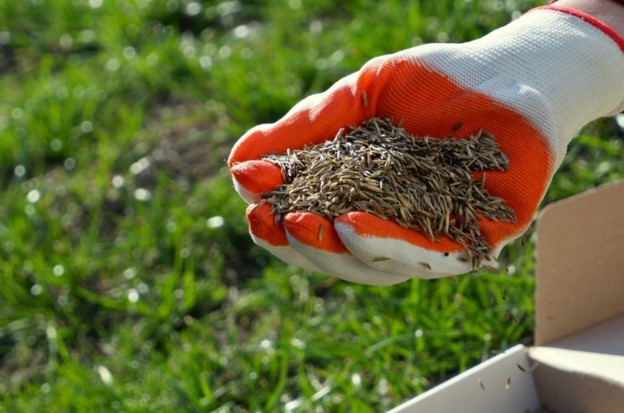
Not all fertilizers are created equal. The best choice depends on your grass species, lawn type, and soil conditions. For example, warm-season grasses in Katy thrive with slow-release nitrogen fertilizers, which provide consistent nutrients to help your grass grow strong and maintain a bright emerald color.
What Is the Best Fertilizer for Grass?
Fertilization & weed control services often recommend high-nitrogen fertilizers for warm-season grasses. These fertilizers are ideal for dense, warm-season grass like Bermuda, which benefits from the boost in grass blades and root development provided by nitrogen.
Proper Fertilization Methods
The method of applying fertilizer is just as important as the type you use. Correctly applying fertilizers ensures that nutrients are distributed evenly across the lawn, avoiding issues like brown patches or weed infestation.
How to Apply Lawn Fertilizer
To fertilize grass effectively:
- Granular fertilizers should be applied using a broadcast spreader for even coverage. To cover the area, walk across the lawn in a crisscross pattern.
- Liquid fertilizers can be applied using a hose-end applicator, which is great for professional grub control treatments or if you’re treating a large-scale irrigation system.
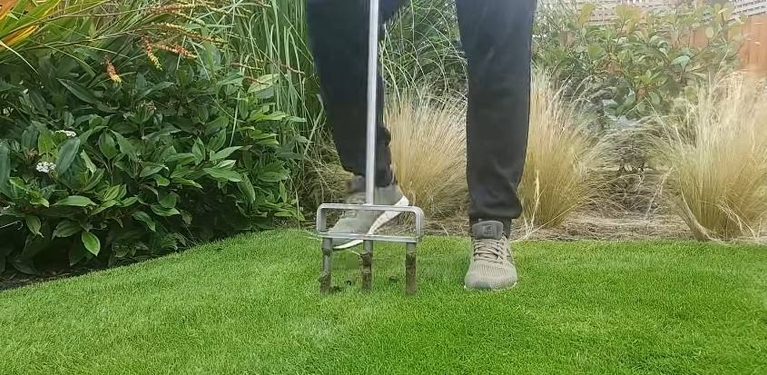
Aeration: An Essential Lawn Care Service
Aeration services are essential for healthy grass growth. Aerating your lawn helps reduce soil compaction, allowing nutrients and water to reach the roots. This is particularly important for Katy lawns, where clay-rich soil can make it difficult for water to penetrate.
Benefits of Aeration
Core aeration and seeding are among the best ways to promote a lawn suitable for outdoor spaces. Aeration helps improve root development and makes it easier for lawn spot treatments to take effect.
Weed Control and Lawn Maintenance
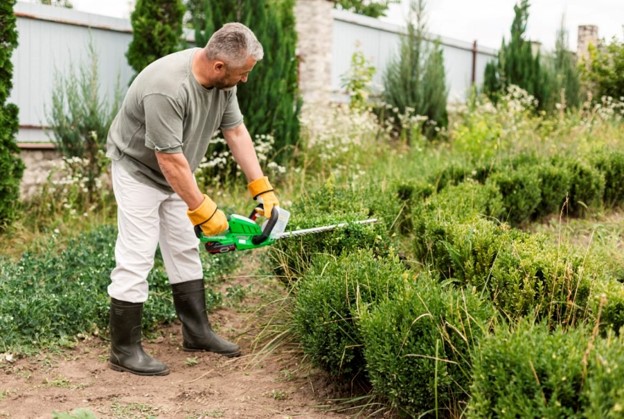
Weed control is a must when maintaining a beautiful lawn. Whether you’re dealing with pesky weeds or damaging insects, applying a weed control program alongside fertilization ensures your lawn stays weed-free and healthy.
Effective Weed Control Programs
Weeds like crabgrass can overtake your lawn, reducing the effectiveness of your fertilization efforts. Pre-emergent herbicides, used in conjunction with regular treatments for weed control, prevent these weeds from taking hold in the first place.
Symptoms of Fertilizer Imbalance
Over-application of fertilizer can be as harmful as under-application. Applying too much fertilizer can lead to burned grass, uneven growth, or excessive thatch buildup. If you’re noticing patches of yellow grass or other signs of stress, it may be time to reevaluate your fertilization routine.
How to Tell if Fertilizer Is Working
If you see greener grass and stronger roots, your fertilizer is likely working well. However, if you notice issues like weed growth, it may be a sign that you’ve either used too much fertilizer or that the balance of nutrients is off.
Common Lawn Care Issues in Katy and How Fertilization Helps

Katy’s harsh conditions, such as hot, humid summer weather and alkaline soil, can lead to issues like pest infestations, weed growth, and poor grass growth. Proper lawn services and fertilization programs can prevent or alleviate these problems.
Common Lawn Diseases
Fungal diseases like brown patch and heat stress are common in Katy lawns. Fertilization helps boost grass resilience, enabling it to withstand diseases and recover from stress.
Why Choose Lawn Care Professionals?
If you want a clean lawn without the hassle of dealing with the complexities of fertilization, choosing a professional lawn service company like Superior Lawn Care or Emerald Lawns can save you time and effort. Experienced lawn service companies offer customized solutions that address your lawn’s exact soil conditions, ensuring it receives the right treatment.
Benefits of Professional Lawn Fertilization
A comprehensive lawn care treatment provided by licensed technicians ensures your lawn gets the regular treatments it needs for optimal growth. They also use specialized forces to address issues like mosquito control or pest management effectively.
Fertilization is one of the most critical aspects of lawn care. By choosing the right lawn services, applying the correct fertilizer at the right time, and maintaining a regular fertilization schedule, you can ensure that your Katy lawn stays green, healthy, and free from weeds and pests.
Whether you choose to do it yourself or hire a professional service, taking the time to care for your lawn is well worth the investment for a green lawn year-round.
FAQ
When is the best time to fertilize my lawn in Katy, TX?
The best months to fertilize in Katy are early spring (March to April) and fall (September to October).
What is the best fertilizer for my grass?
A high-nitrogen fertilizer works best for warm-season grasses like St. Augustine or Bermuda.
How do I know if my fertilizer is working?
Your fertilizer does its job if you see greener grass and stronger growth.
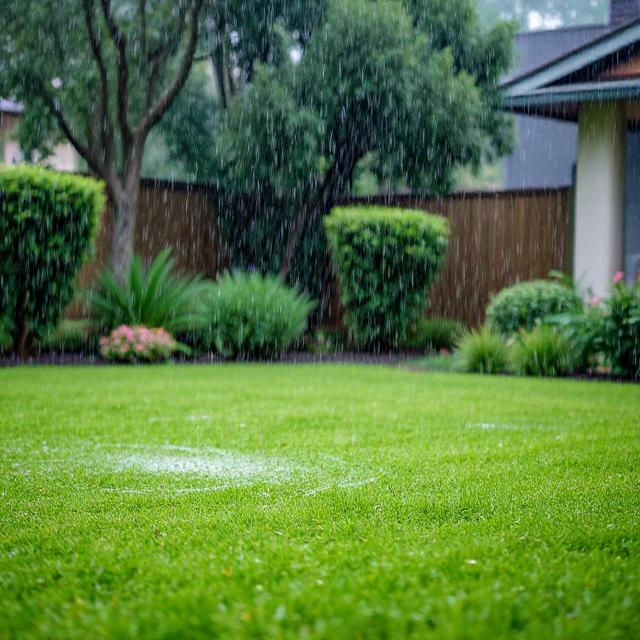
Can I fertilize after it rains?
Yes, but ensure the rain isn’t too heavy to wash the fertilizer away. Light rain can help absorb the nutrients into the soil.
How much fertilizer do I need for my lawn?
You typically need about 1 to 2 pounds of nitrogen per 1,000 square feet.
What should I do if my lawn is not responding to fertilizer?
Check for soil imbalances and make sure you’re using the correct fertilizer. Sometimes, pest problems or disease can also affect the effectiveness of fertilizer.
What are the benefits of professional lawn care?
Professional lawn care companies offer custom lawn care estimates and have the expertise to handle complex lawn problems efficiently.
How do I prevent over-fertilization?
Follow the instructions on the fertilizer packaging carefully, and avoid applying too much fertilizer in one session.